HOW VIDEO TECHNOLOGY IS EXPANDING THEATRE
Theatre’s relationship with video technology has changed significantly. For years, LED and projection carried obvious creative potential, but that potential was shaped by practical constraints. Resolution, cost, brightness, colour reproduction, system noise and the realities of stage integration all influenced how far video could go within a production.
That balance has shifted. LED, projection, media servers and image processing have matured to the point where video can now sit more naturally within the theatrical environment. It can support scenic design, create atmosphere, deepen storytelling and expand the visual language of a show without overpowering the performance at its centre.
WHERE UNIVERSAL PIXELS COME IN
For Universal Pixels, this is where things become interesting. As the technology has matured, the creative possibilities have expanded.
Theatre places very particular demands on video. Audiences are typically much closer to the screen surface and imagery often needs to feel naturalistic rather than spectacular. Video has to work seamlessly with lighting, scenery, costume, choreography and live performance, supporting the world of the production without drawing attention away from it.
That requires a high degree of control. Colour reproduction needs to be subtle, gradients need to be smooth, low-light performance has to be carefully managed and resolution has to remain convincing at close viewing distances. The system also needs to be quiet, reliable and fully integrated into the wider production environment.
James Paul, who leads Universal Pixels' UK and European theatre division, explains that theatre technology has changed significantly over the last decade. He notes that LED technology was rarely used in theatre 10 years ago because the quality, resolution and cost made it impractical. Today, improvements in LED technology have made it possible to create realistic scenery, natural imagery and immersive visual effects that expand what designers can achieve on stage.
Ethan Forde, VP of US Operations at Universal Pixels, highlights how modern theatre productions now rely on advanced technical systems, including networking, media servers, failover systems and specialist equipment preparation. He explains that productions require highly reliable systems because theatre shows run consistently over long periods, making dependable technology essential.
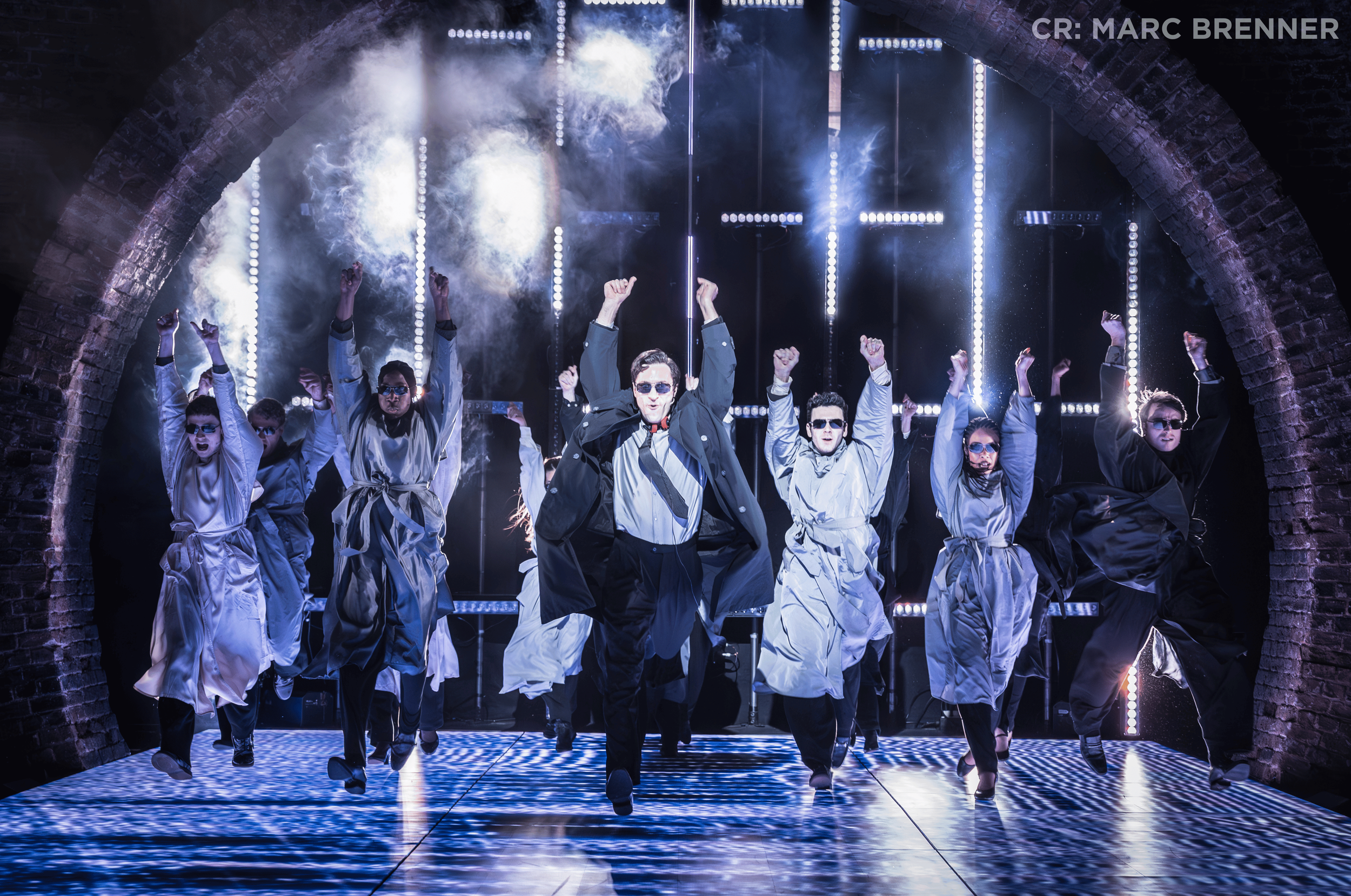
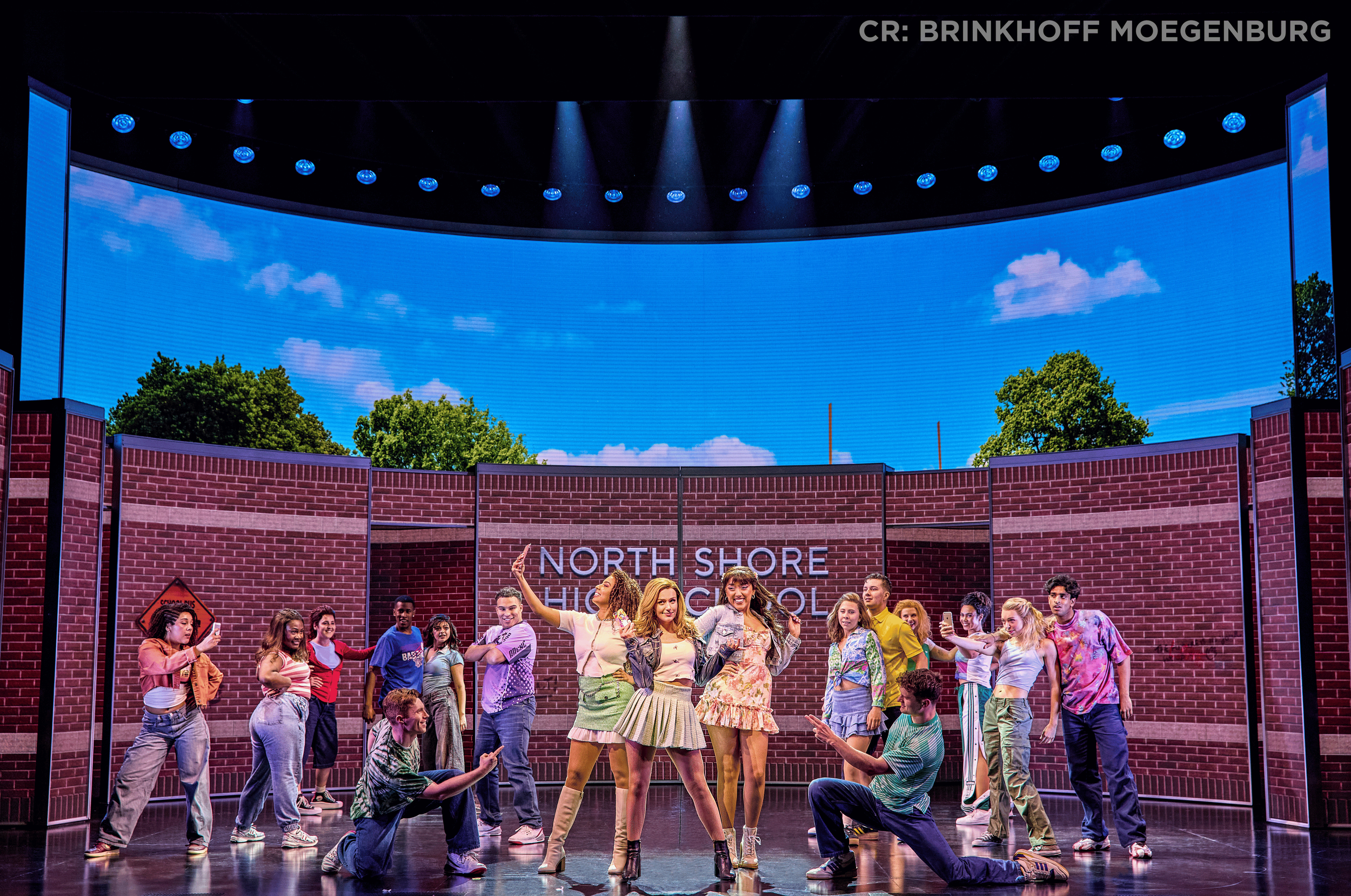
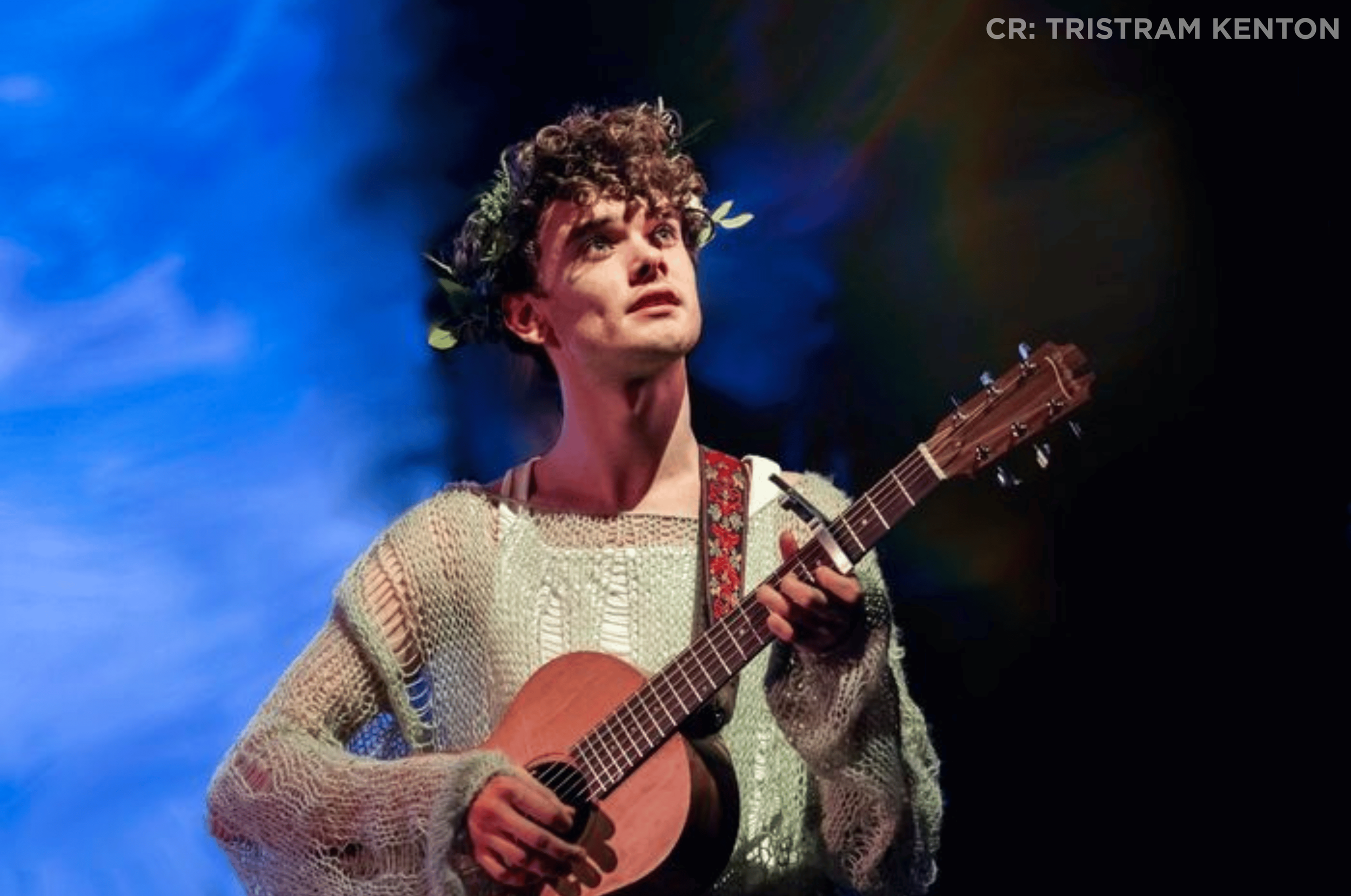
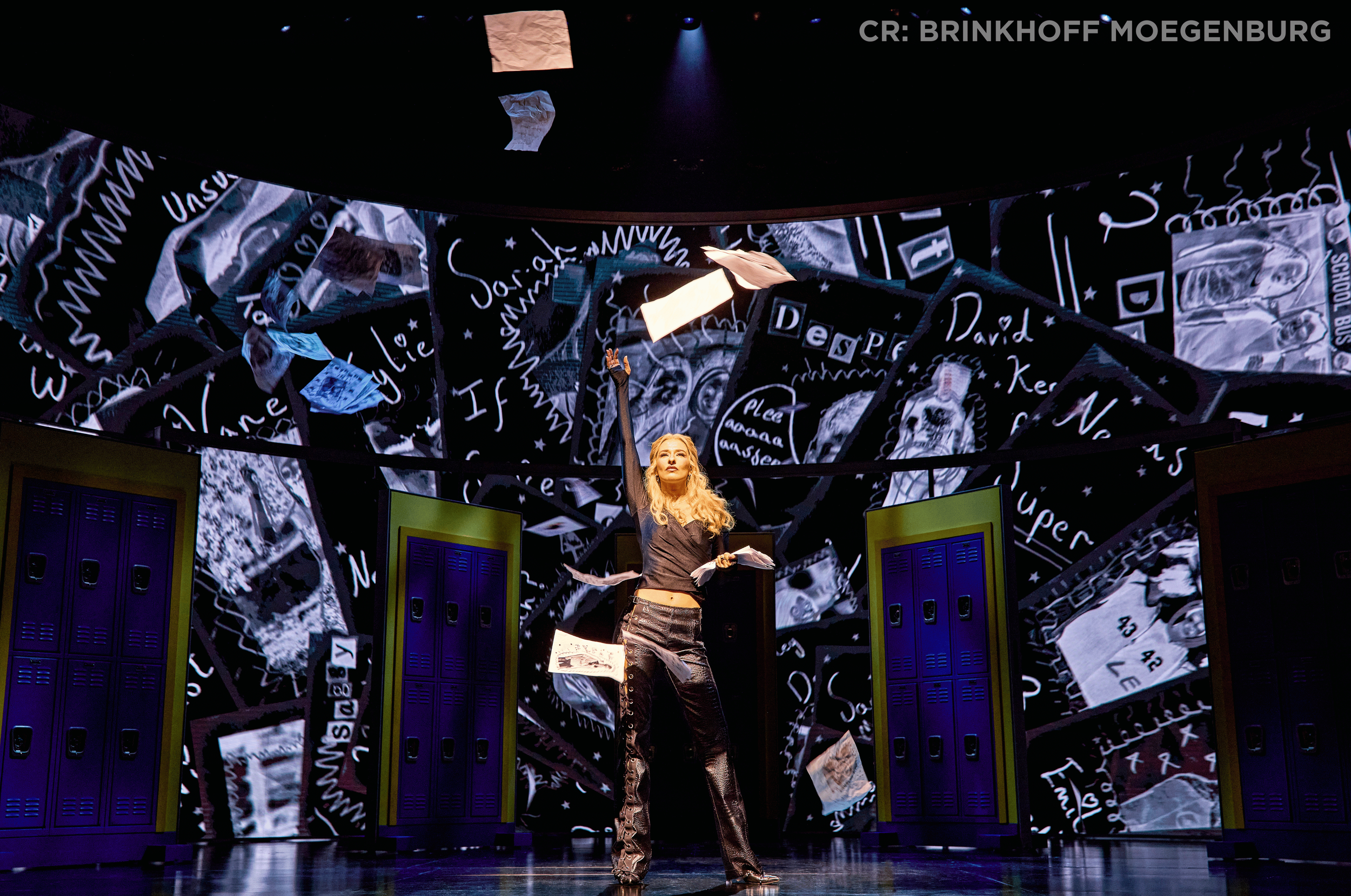
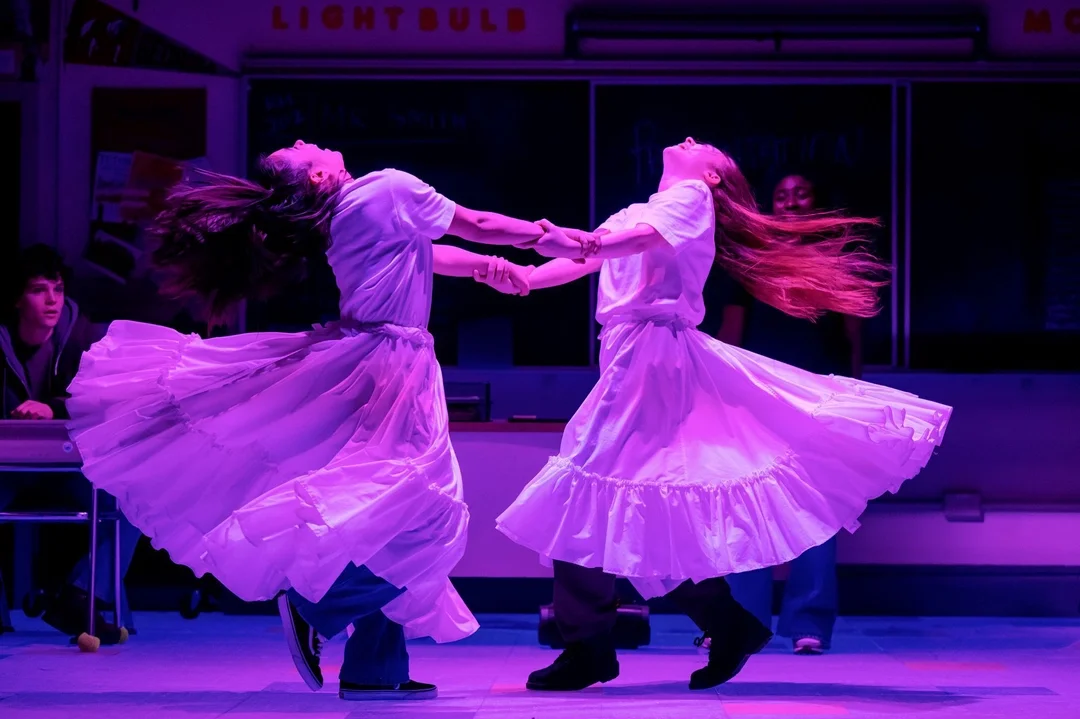
The productions used a range of professional equipment, including ROE Black Onyx 3.4mm LED panels for large, high-resolution LED displays in Mean Girls and The Unlikely Pilgrimage of Harold Fry. American Psycho featured a ROE Black Marble 4.7mm LED floor, which acted as both a scenic element and a lighting source to create dramatic stage effects. The productions also used Disguise media servers to control video playback and Brompton Technology LED processors, with features such as Dark Magic, Extended Bit Depth and Pure Tone, to deliver smooth 10-bit colour, realistic gradients and improved low-brightness performance.
Paul explains that these improvements in 10-bit workflows have eliminated visible colour banding, allowing gradients, skies and natural scenery to appear more lifelike. Both Paul and Forde emphasise that modern theatre is increasingly combining video, lighting and scenic design into a single integrated system. Paul also identifies high-transparency mesh LED screens as one of the next major developments, enabling illusion effects where performers can appear and disappear almost instantly. Together, their insights show how advances in LED technology and professional equipment are giving theatre productions greater creative freedom while maintaining the reliability needed for long-running performances.
For Universal Pixels, the next chapter is already underway. With the company establishing its first US base in South Kearny, New Jersey, Forde is relocating to lead its expansion into the Broadway and touring market. Meanwhile, Paul will focus on developing the UK and European theatre division.