Niall Horan - The Show Tour 2024
The Brief
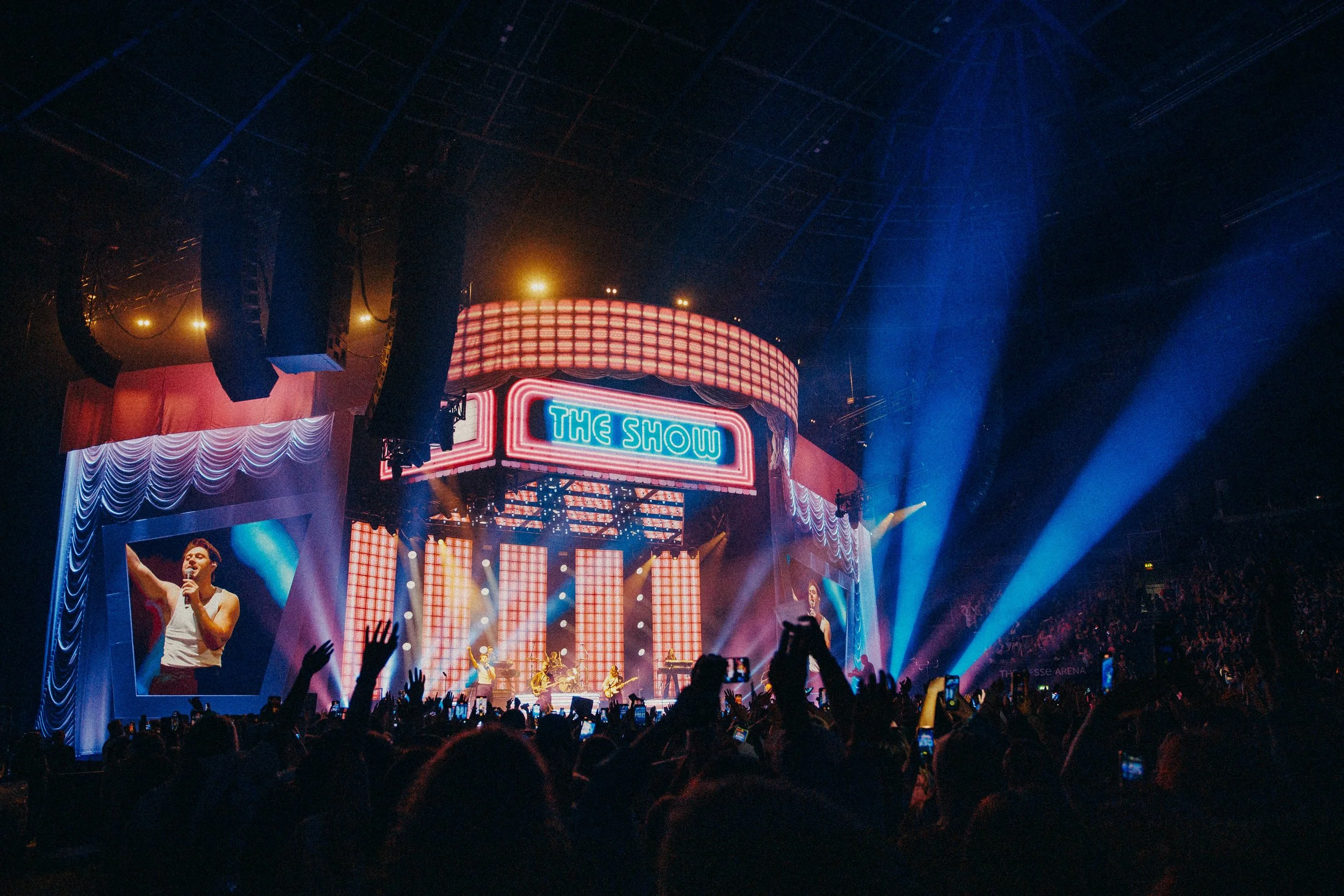
Niall Horan’s live show combined projection, LED and live camera to create a layered visual world shaped by Creative Director Ben Chappell and Camera Director Shelby Cude. Universal Pixels was tasked with realising that design in a way that would have the desired impact across a demanding tour schedule and a wide range of venues, from UK and European arenas to US amphitheatres, including two shows at Madison Square Garden. Early concepts were tested using drapes and projection, followed by a more comprehensive test focused on mapping the full Austrian drape. From that process, Universal Pixels developed a touring solution capable of delivering the same visual intent across very different room types and projection conditions.
The Creative Vision
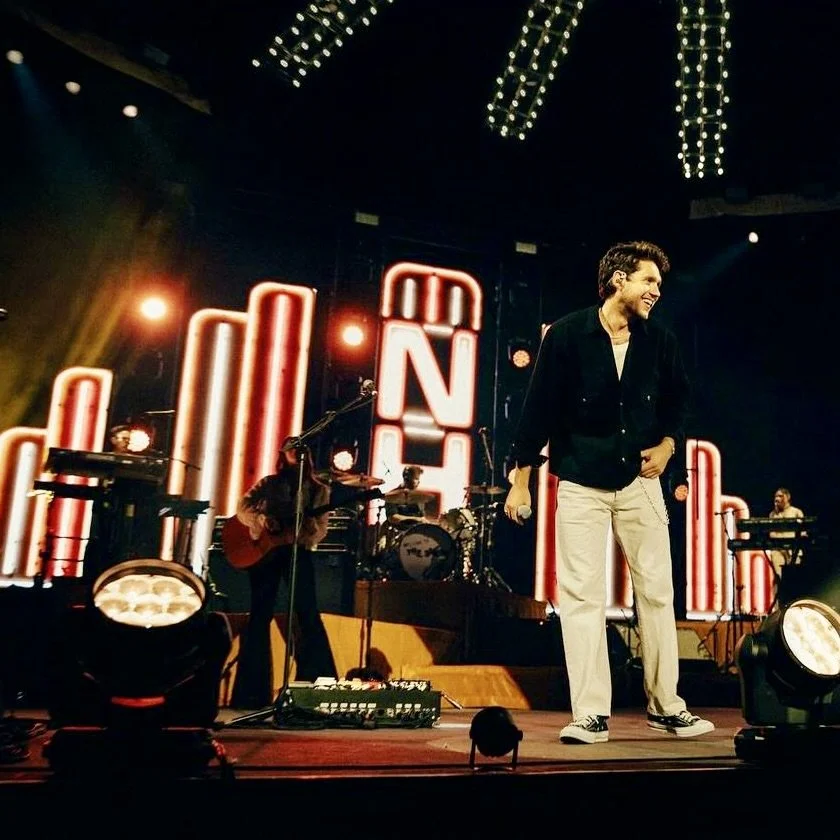
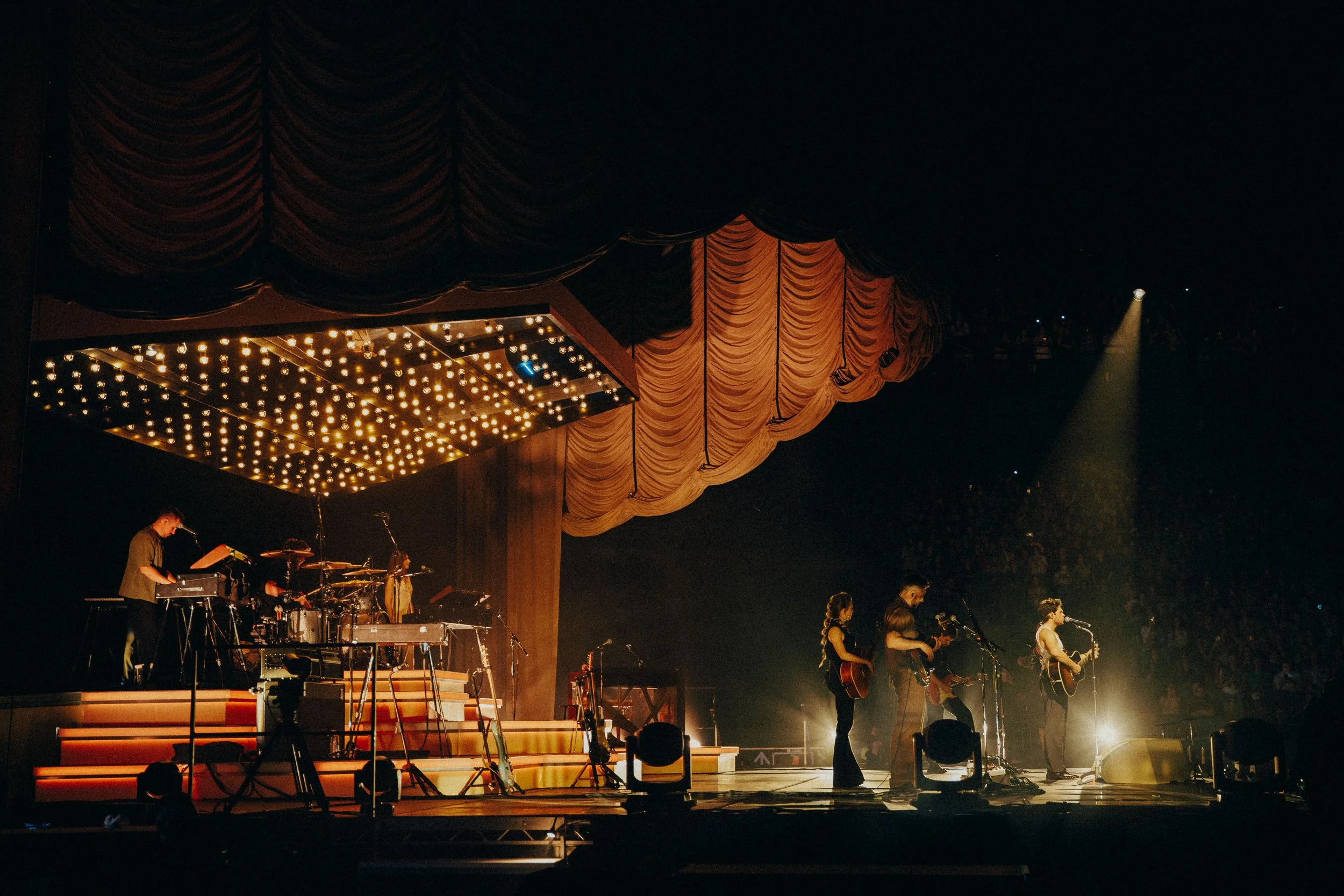
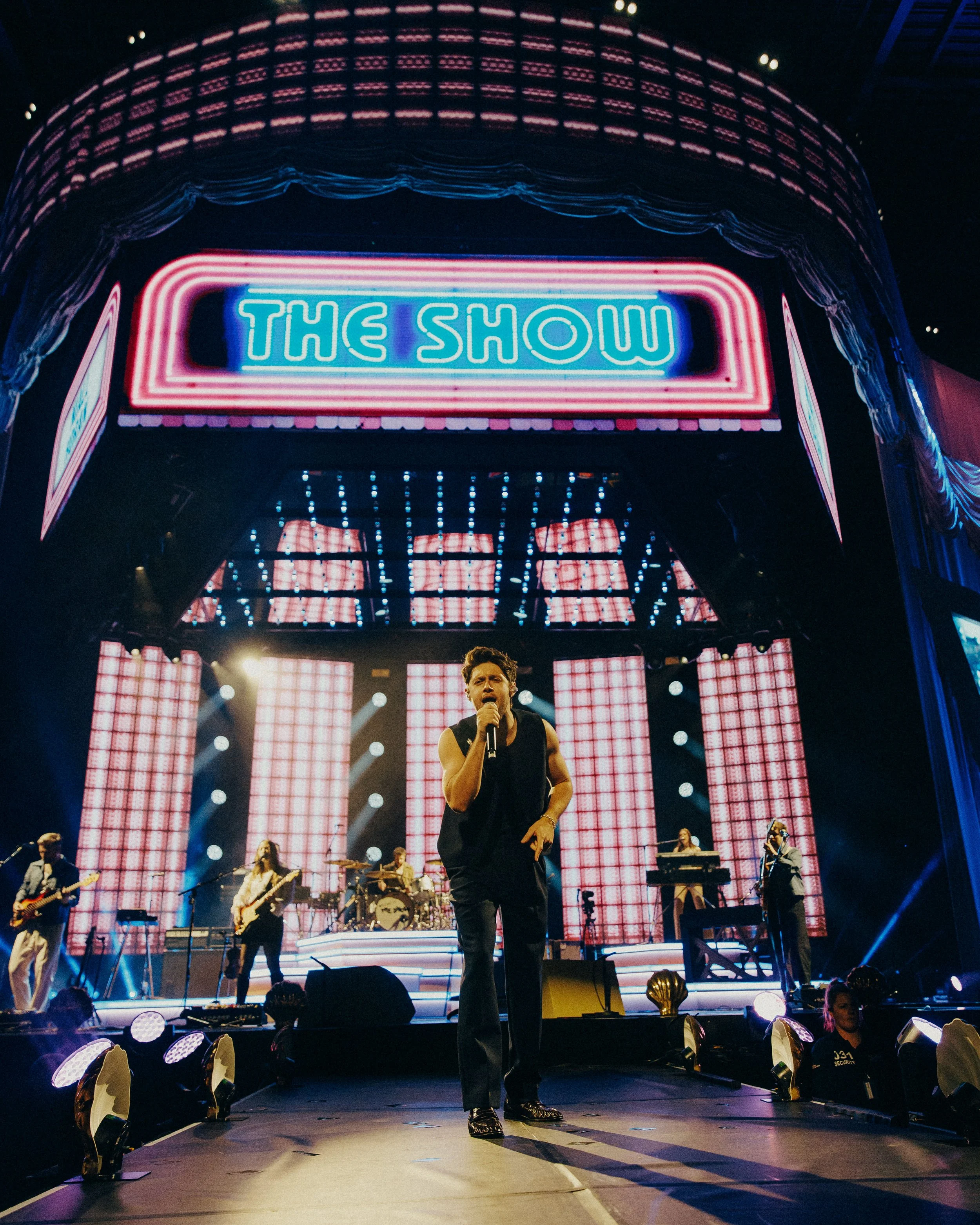
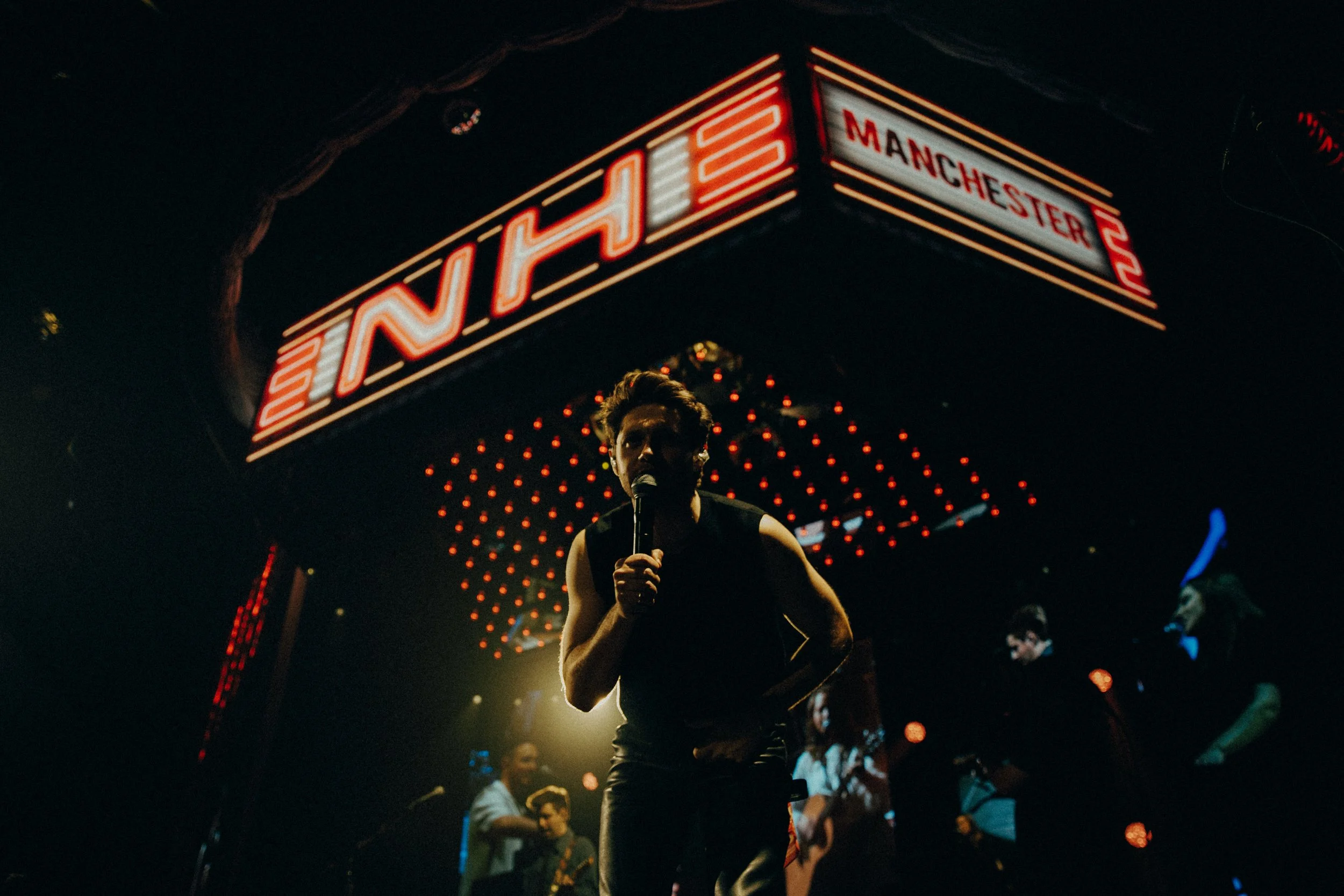
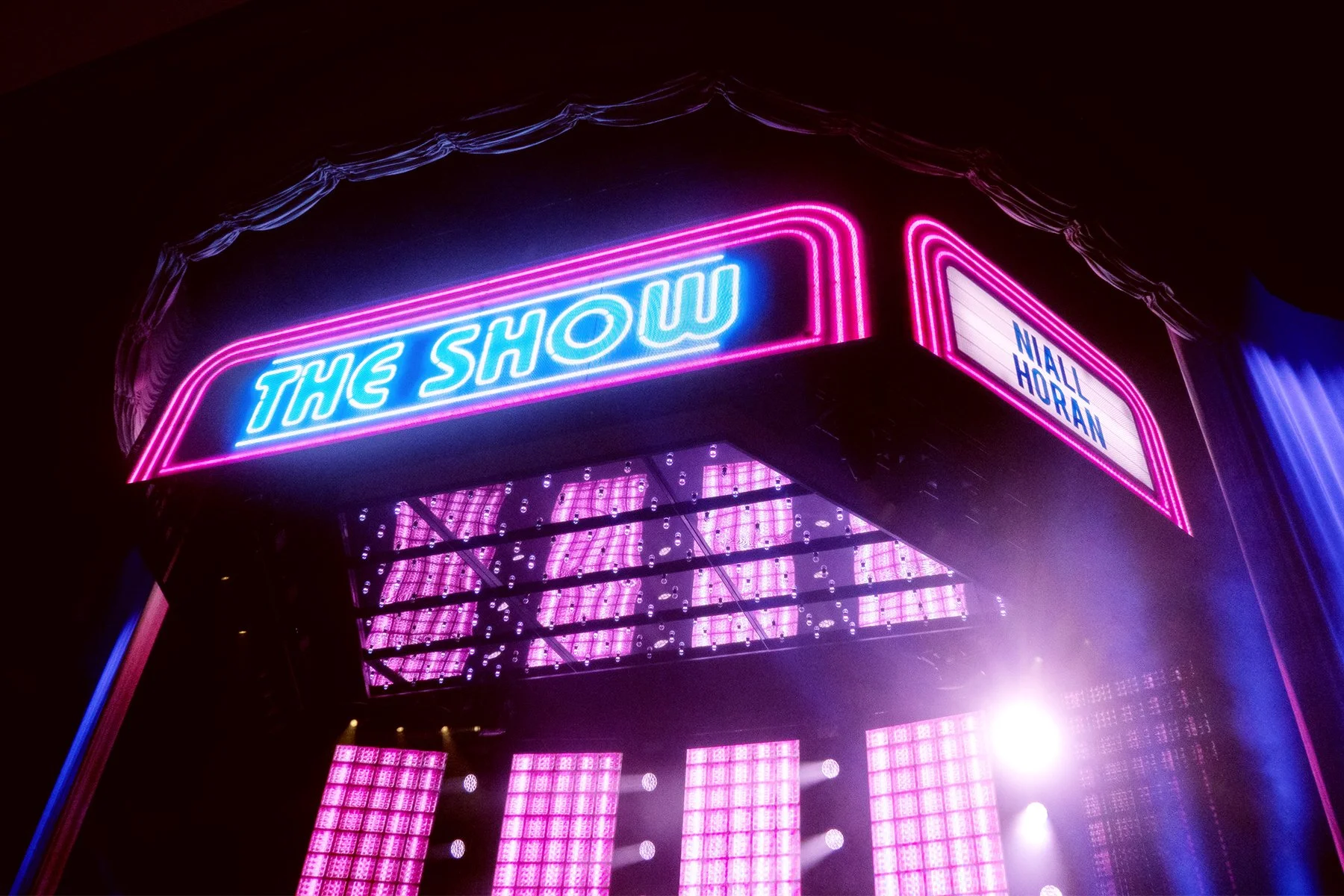
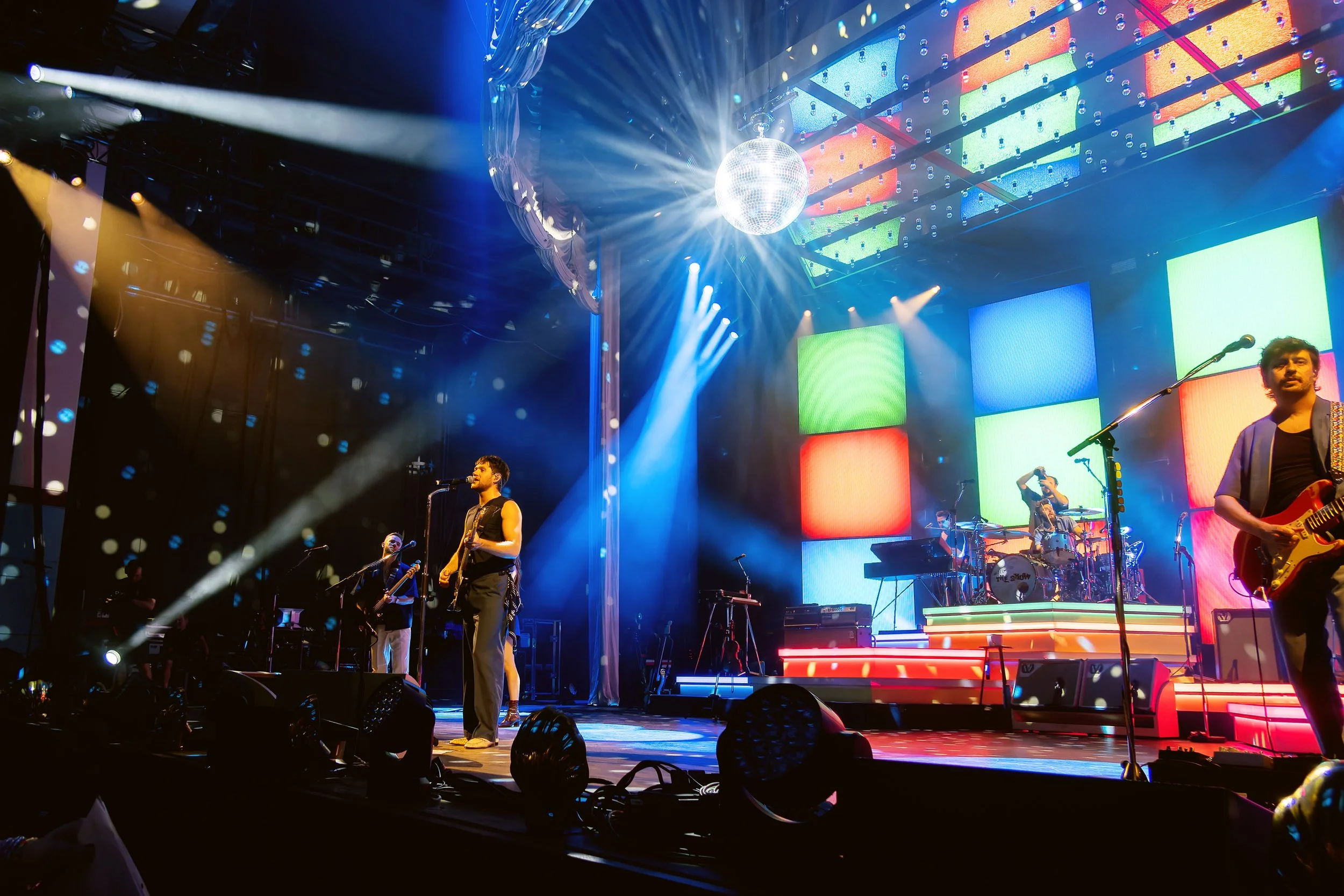
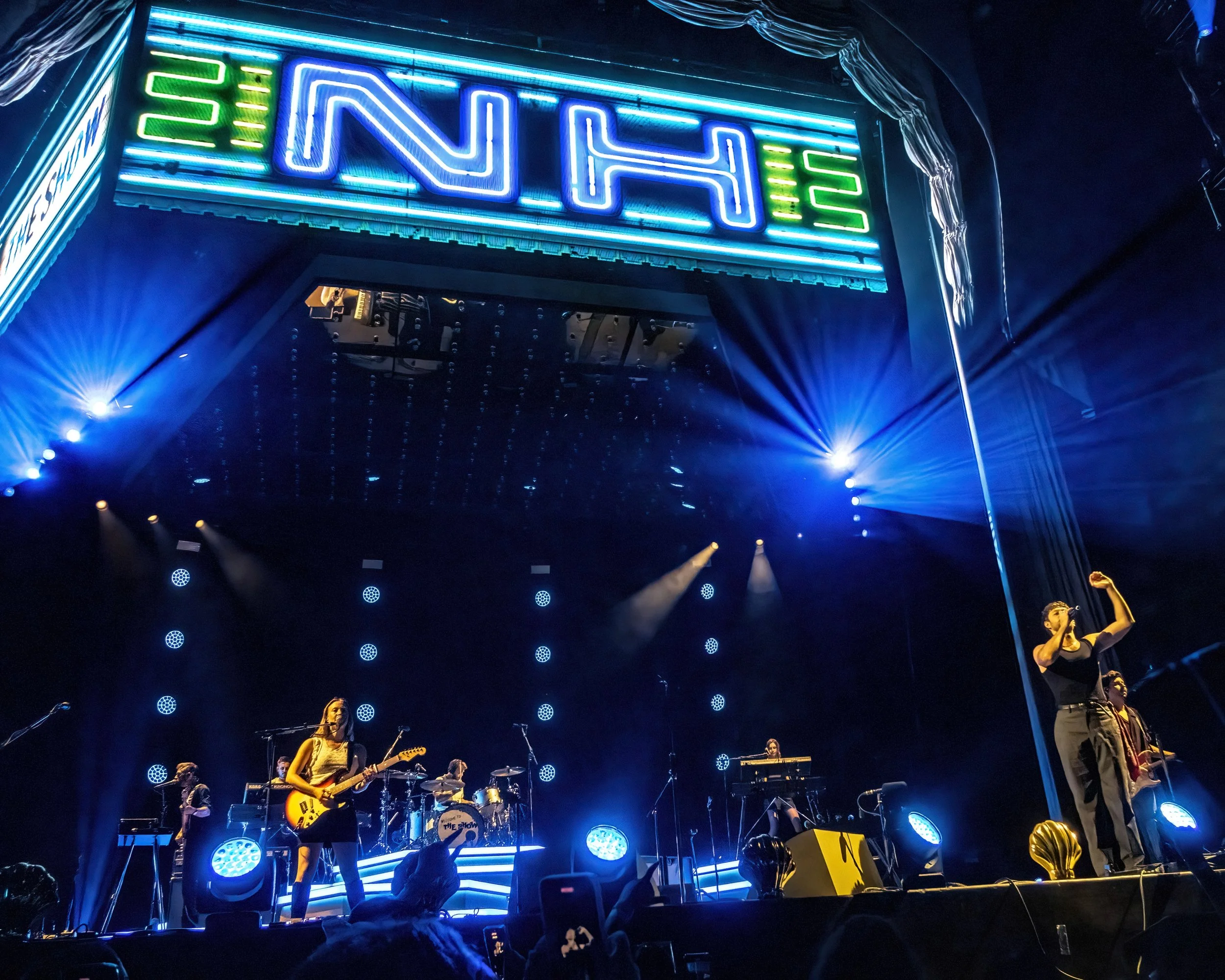
The video design focused on a textured, vintage visual language rather than relying solely on large-format LED. Projection-mapped drapery, shaped scenic LED and live camera all played important roles in the overall composition. The projection added softness and depth, LED surfaces provided structure and emphasis, and the camera work brought pace and variation - at times distributing up to 10 different cuts across multiple LED and projection surfaces. A key objective was to preserve the visual identity of the show while adapting it to very different spaces.
The Challenge
The main challenge was scalability, but not in the typical way. This was an arena show that needed to work in smaller and less forgiving environments - particularly US amphitheatres, where the production had less of a flat, blank canvas to work with. What looked straightforward on an initial plan had to become practical in spaces with different sightlines, projection distances and ambient conditions. Key requirements included a projection system capable of adapting across multiple venue formats, reliable mapping of the Austrian drape across changing geometries, and a display setup that preserved the creative look in both arenas and amphitheatres. The system also needed to support quick alignment and adjustment in challenging conditions, including daylight turnarounds, together with a robust control and signal infrastructure capable of handling multiple surfaces efficiently.
The Technical Solution
Projection and Screen System
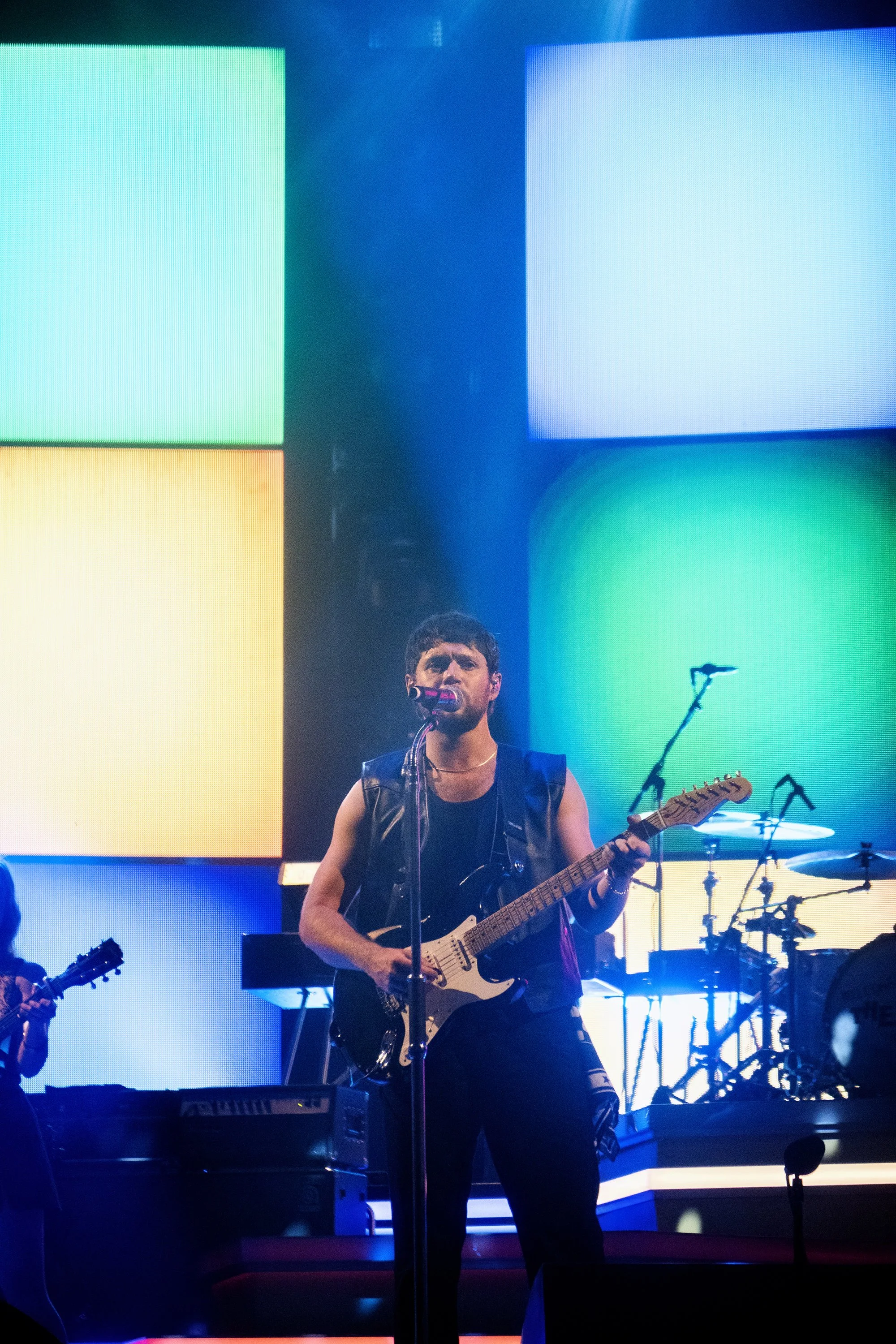
Following the initial test phase, Universal Pixels arrived at a solution that would scale across the tour’s venues. The package included Barco 40K 4K and Epson 20K projectors. One of the key developments during testing was moving from an initial three-position projection plan to a solution that could work from a single projection point and from a greater distance. This reduced focus issues and made the system more practical across different venue layouts. LED was used selectively to support the overall creative rather than dominate it. ROE V8T formed five upstage screens and three downstage header screens, helping to deliver the retro visual language developed by Ben Chappell. Leyard CLM6 tiles were also integrated into uniquely shaped scenic surrounds, which required custom metalwork to achieve the desired forms.
Cameras, Playback and Infrastructure
The camera package included newly purchased Panasonic UC-4000 cameras alongside Panasonic UE150 PTZ cameras positioned on stage. Content playback ran through three Disguise GX 3 media servers, giving the projectors individual feeds and allowing for faster, more flexible line-ups when conditions were challenging, particularly during daylight turnarounds in US amphitheatres. All of this was tied together with an MTP fibre backbone running to front of house and then breaking out to the various receivers across the system.
Crew and Delivery
Universal Pixels’ role was to move the design from concept to a robust touring system, applying its expertise to ensure the show could be delivered consistently on the road. By refining projection positions, moving to GX3 servers for greater individual control and supporting a display environment with multiple simultaneous outputs, the team helped preserve both the dynamic of the visual design throughout the tour.
The Result
The final system combined projection, LED and live camera into a layered show environment that worked consistently across a wide range of venues. For Universal Pixels, the project was technically demanding but also creatively rewarding: a good example of specialist video delivery supporting a strong visual concept, from early testing through to live execution. Just as importantly, it demonstrated the value of building systems around real touring conditions.
Photo Credits - Amy McKeon & Brookephotoedit