American Psycho 2026
The Brief
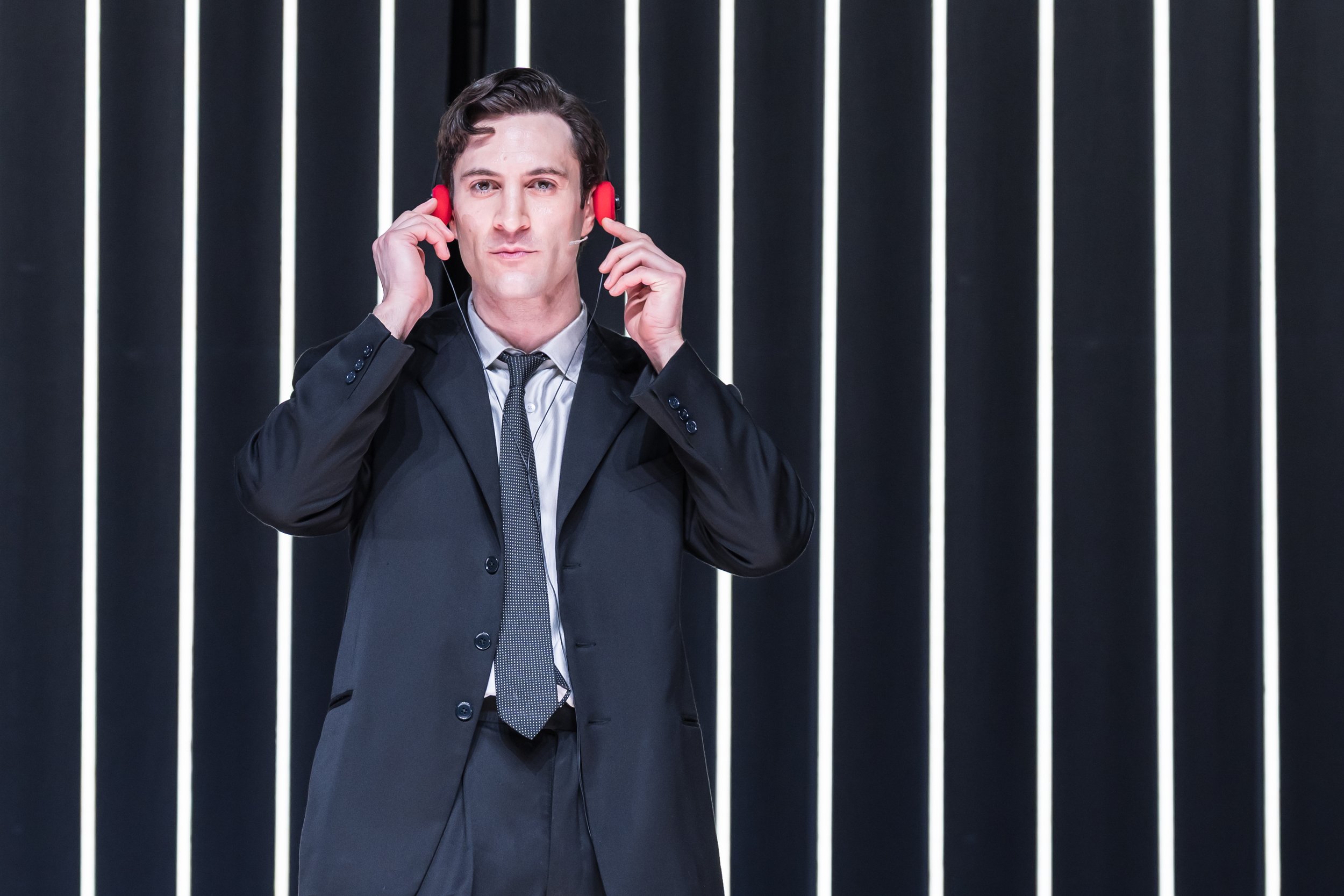
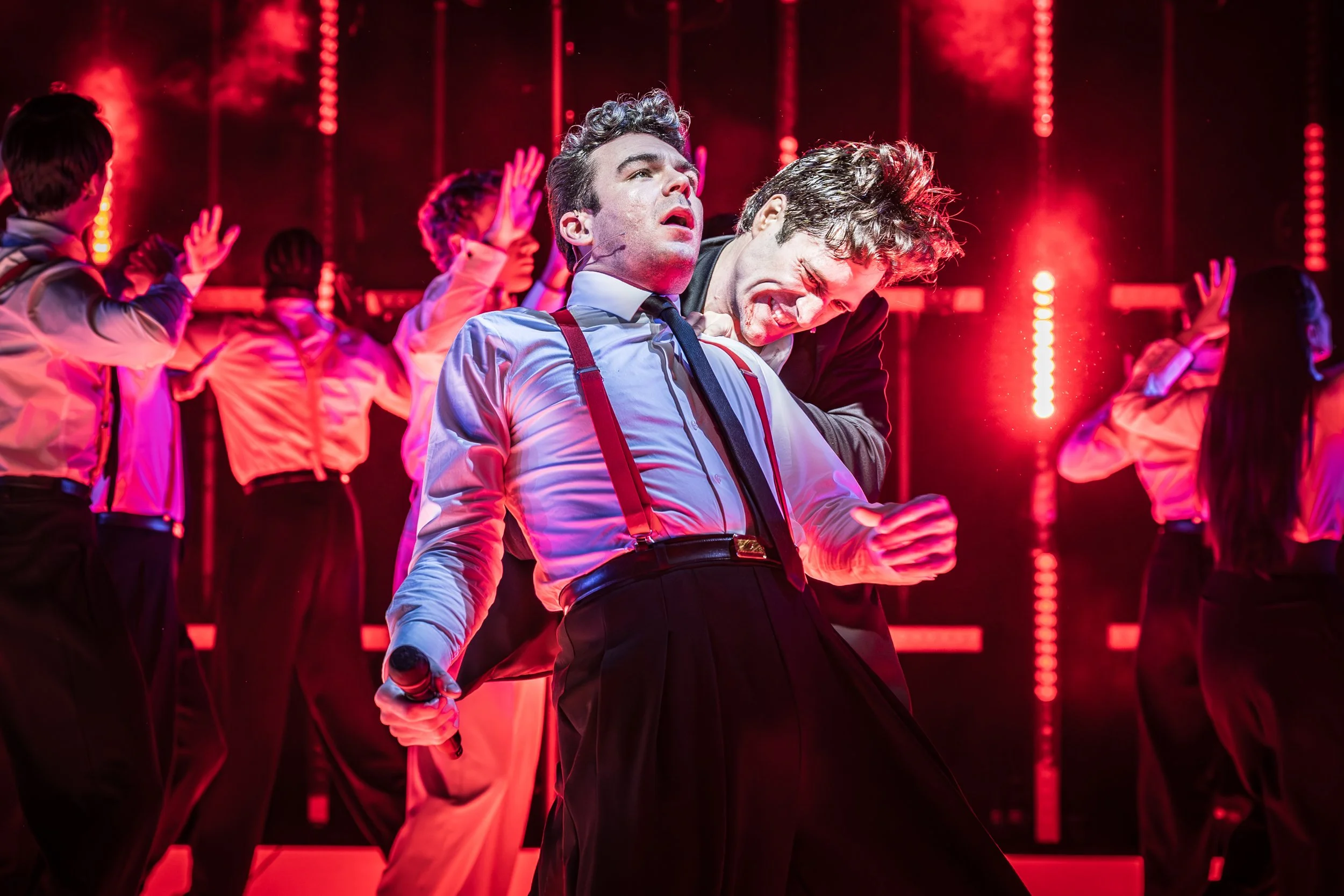
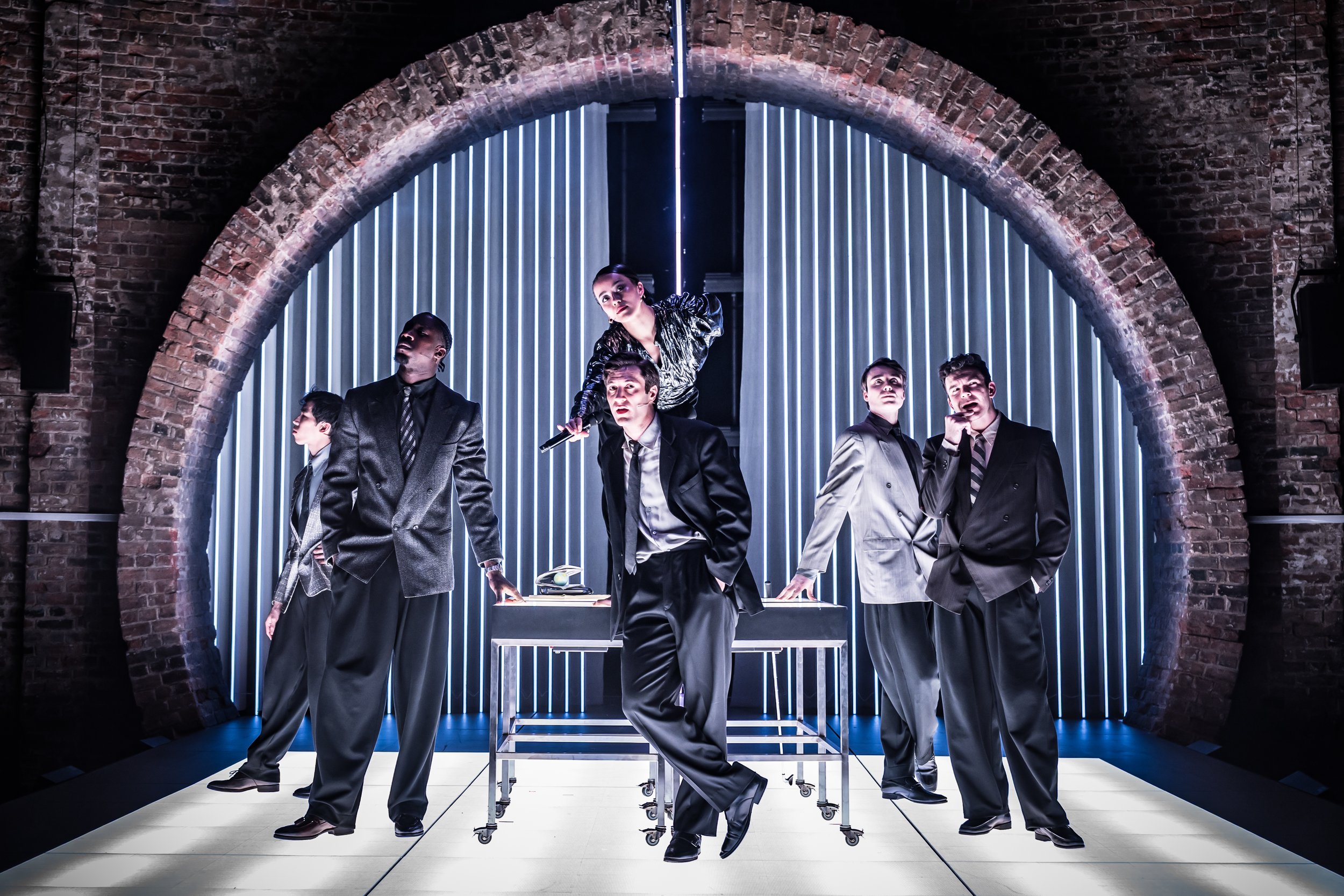
Following its original world premiere at the Almeida Theatre more than a decade earlier, American Psycho: The Musical returned to the venue in January 2026 for a highly anticipated revival and a full-circle moment for outgoing Artistic Director Rupert Goold. The production’s visual design, developed by FRAY Studio, placed video technology at the centre of the staging, transforming the intimate Almeida Theatre into the hyper-stylised world of Patrick Bateman’s Manhattan. Working alongside FRAY Studio and programmer Andrew Skinner, the objective was to create a display surface that would be an active part of the storytelling, leading to the introduction of LED flooring into the venue for the first time.
The Creative Vision
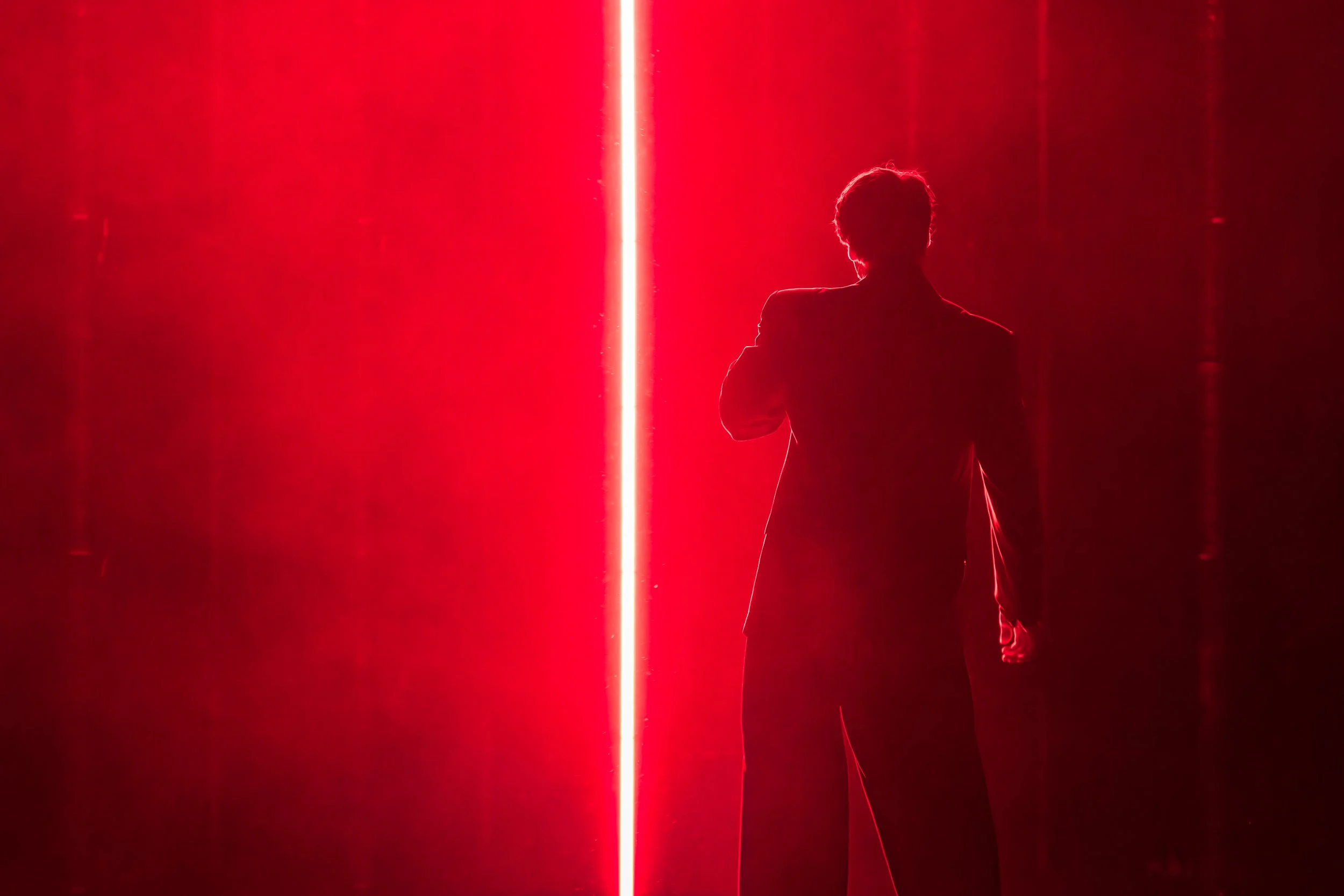
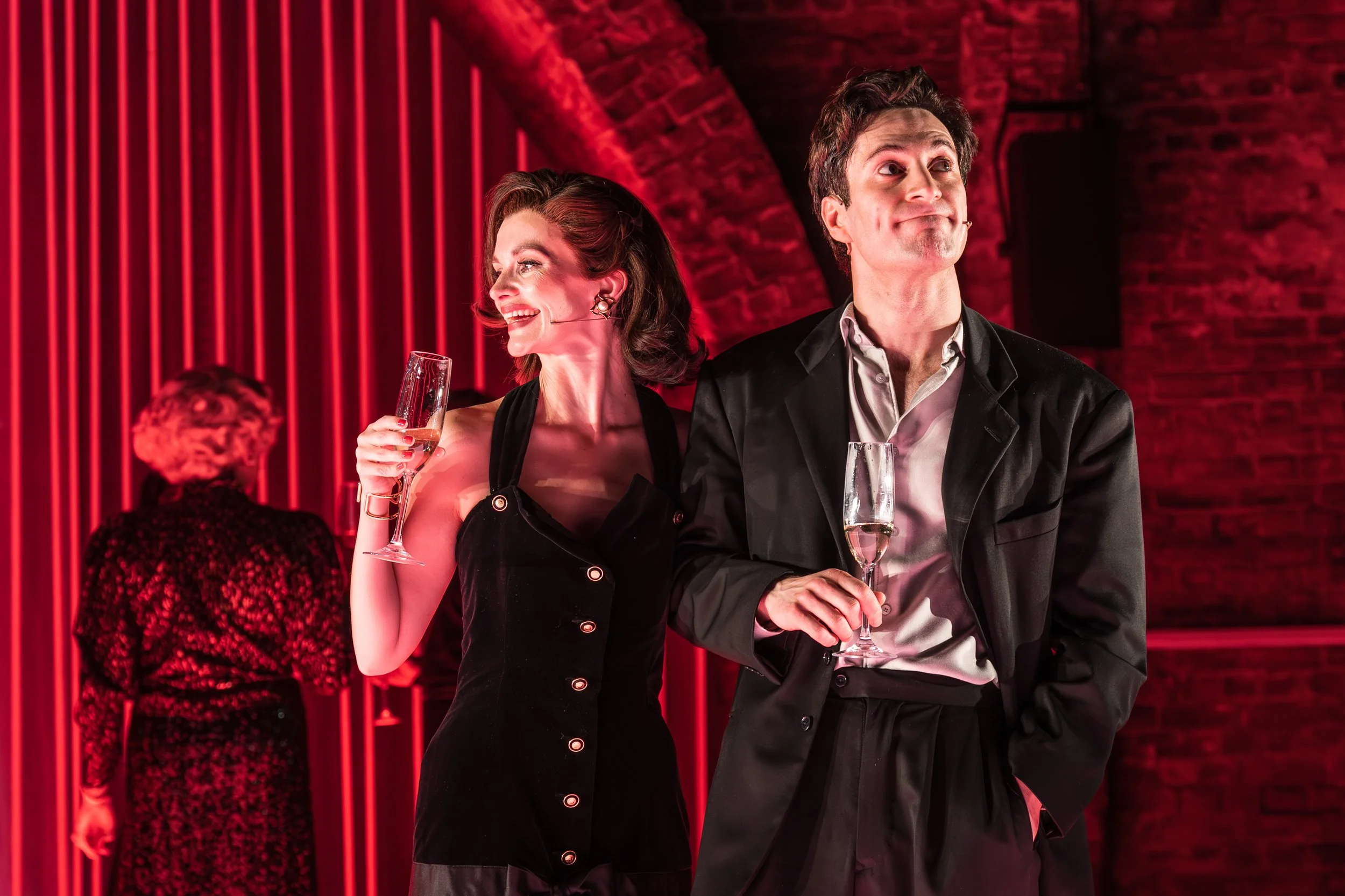
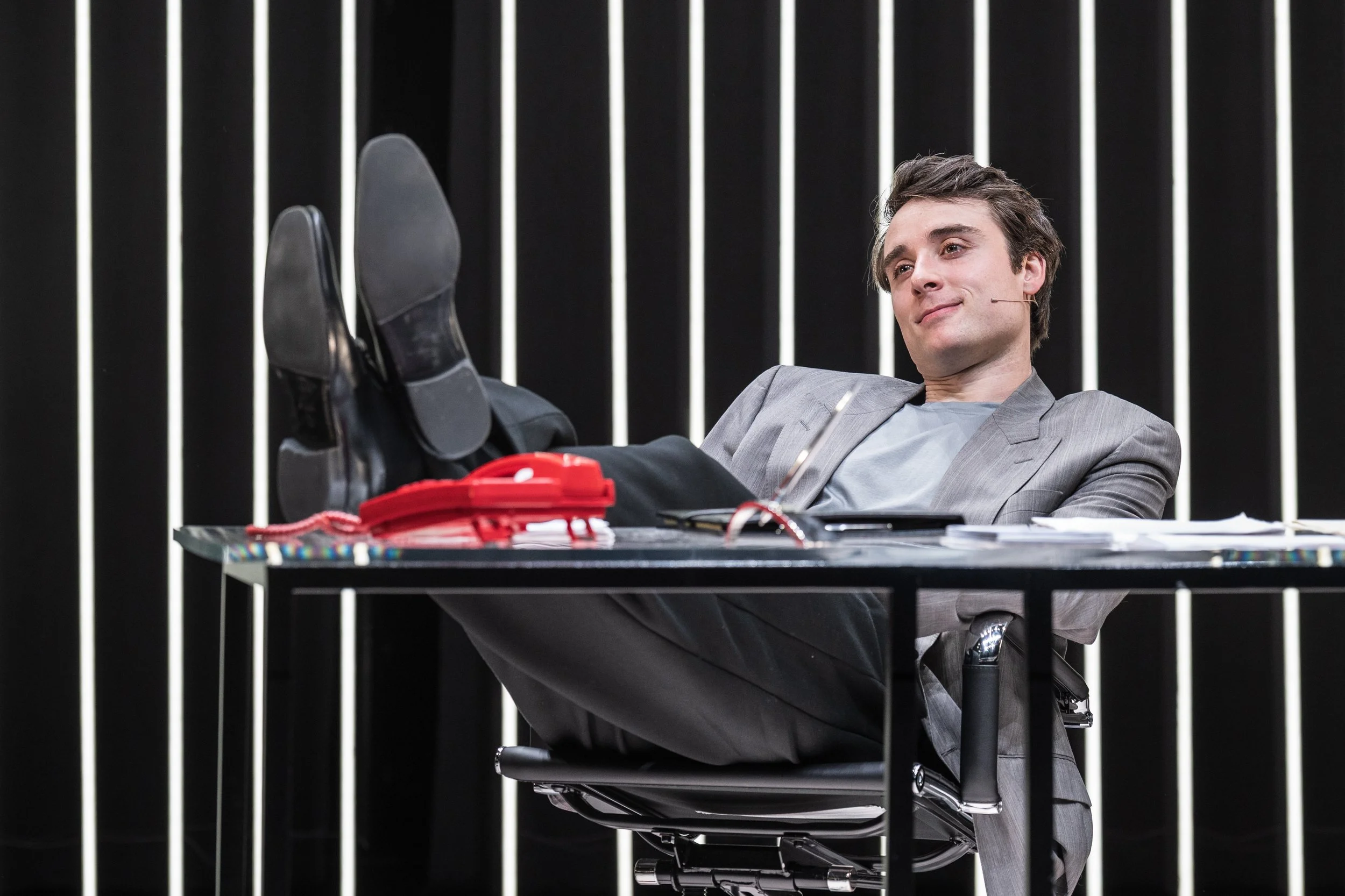
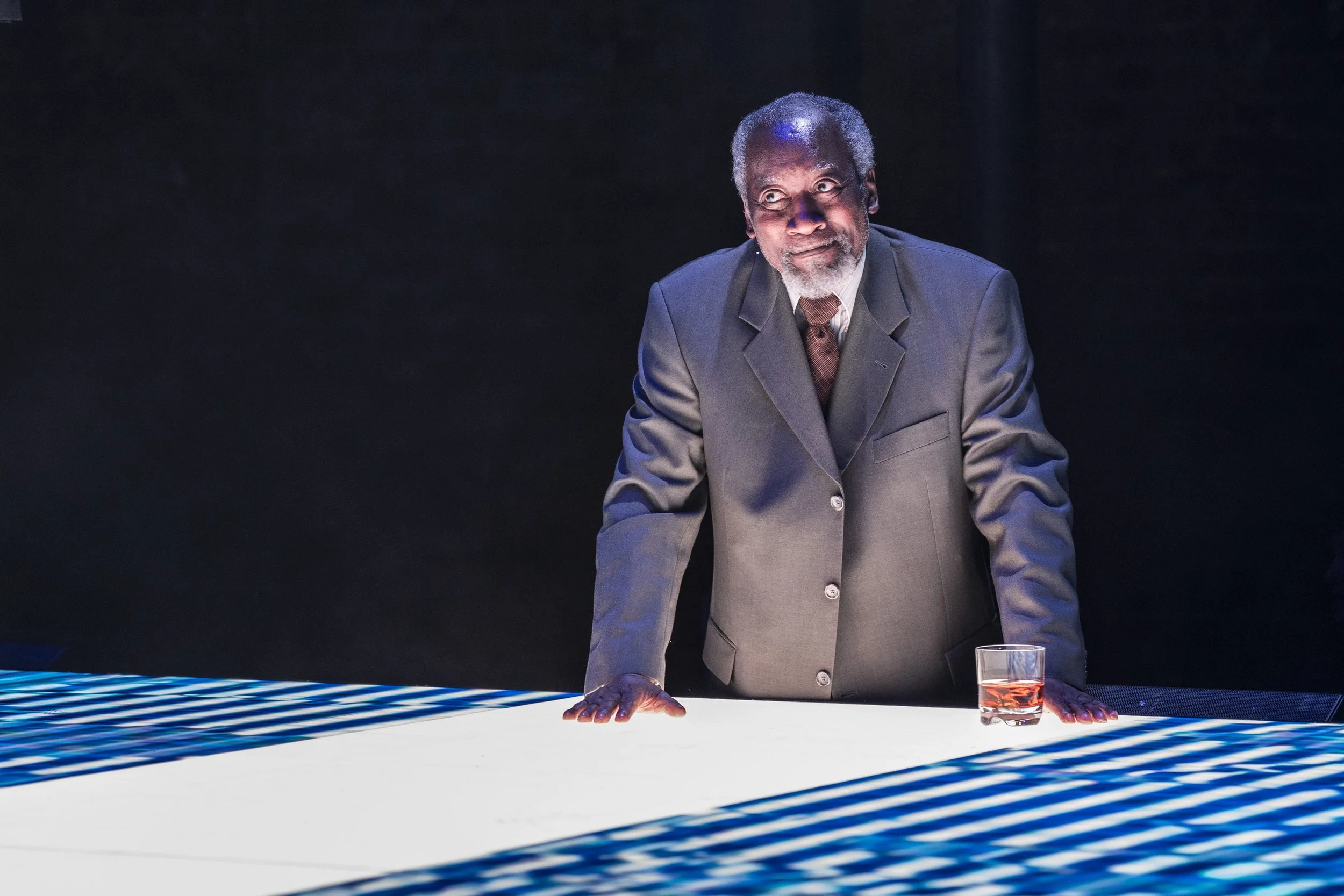
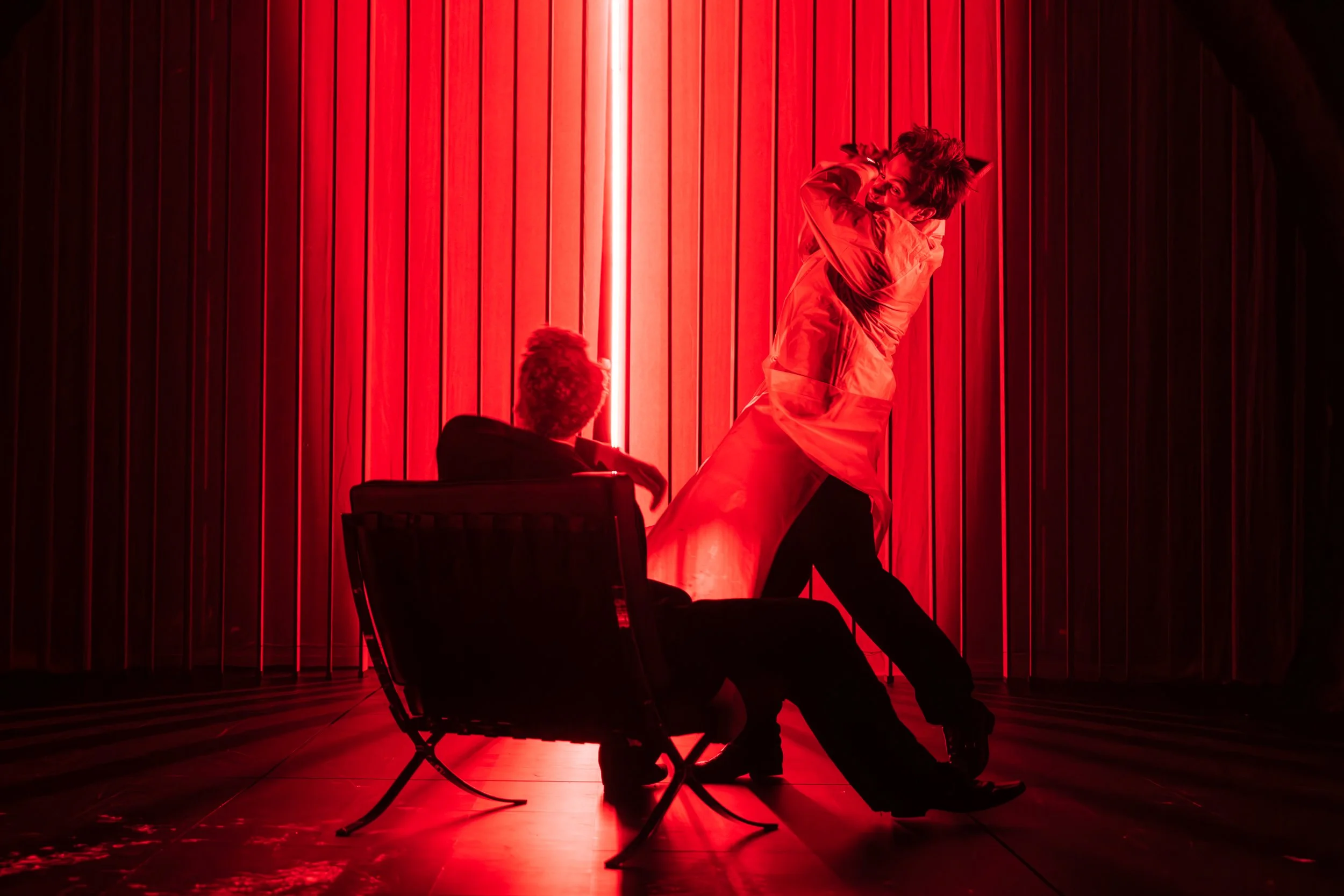
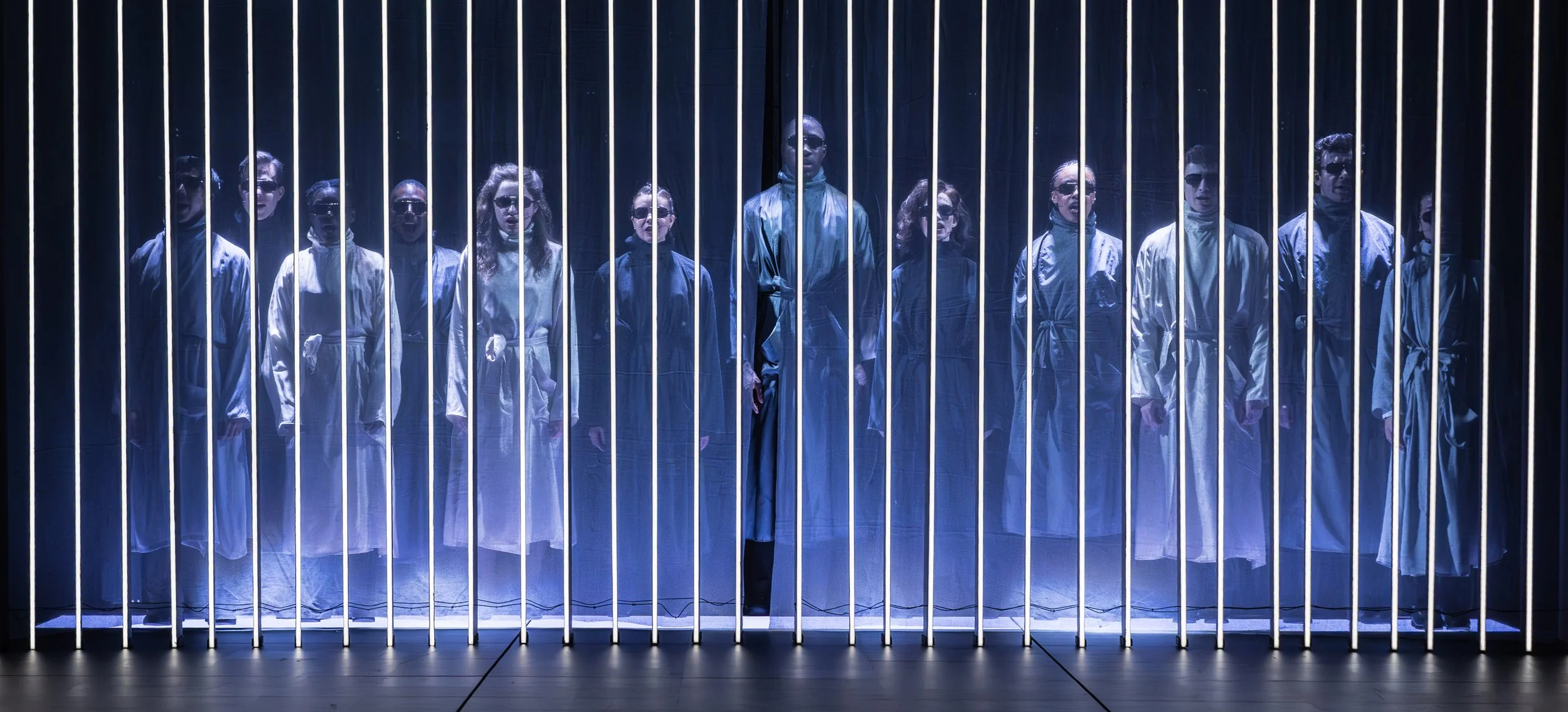
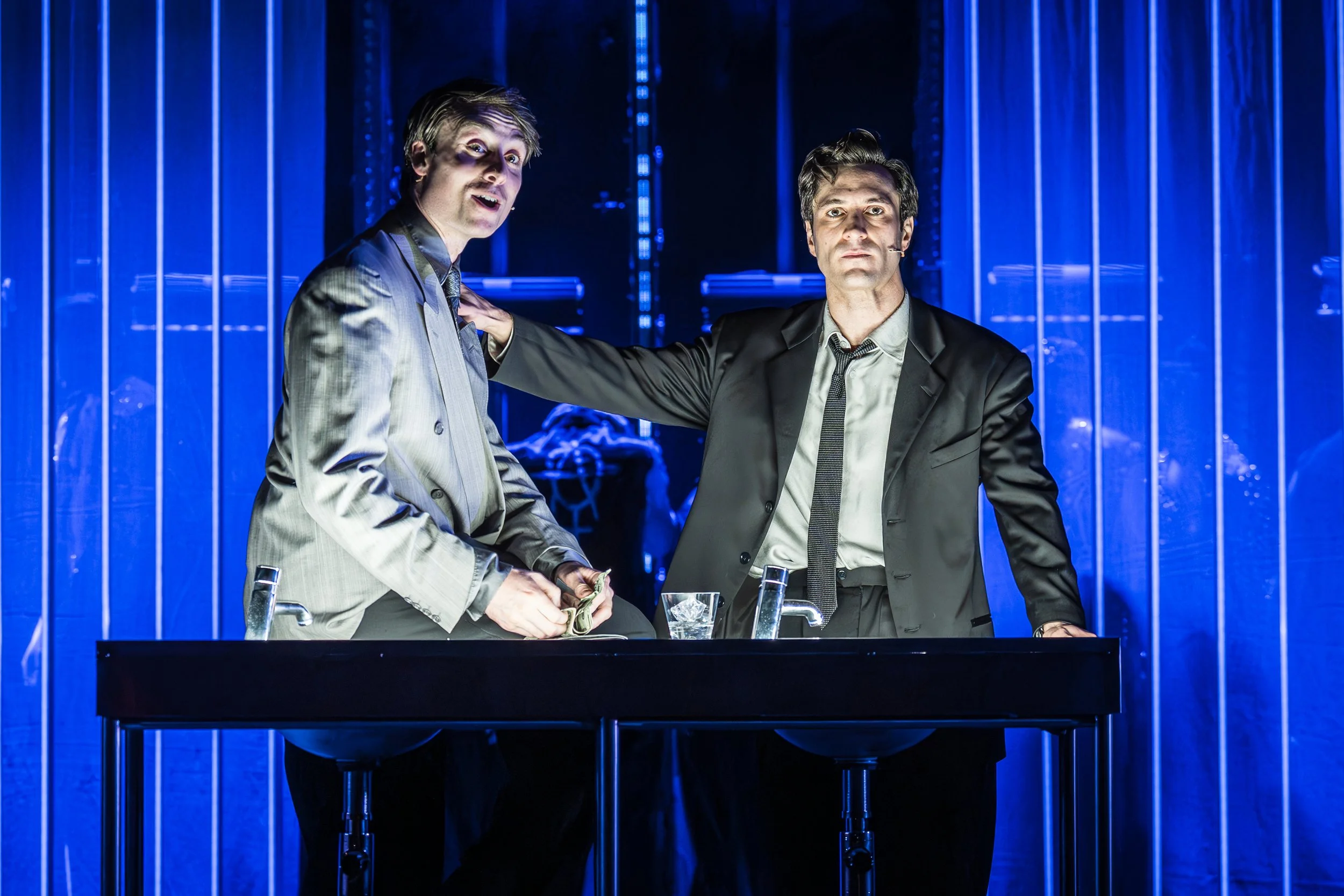
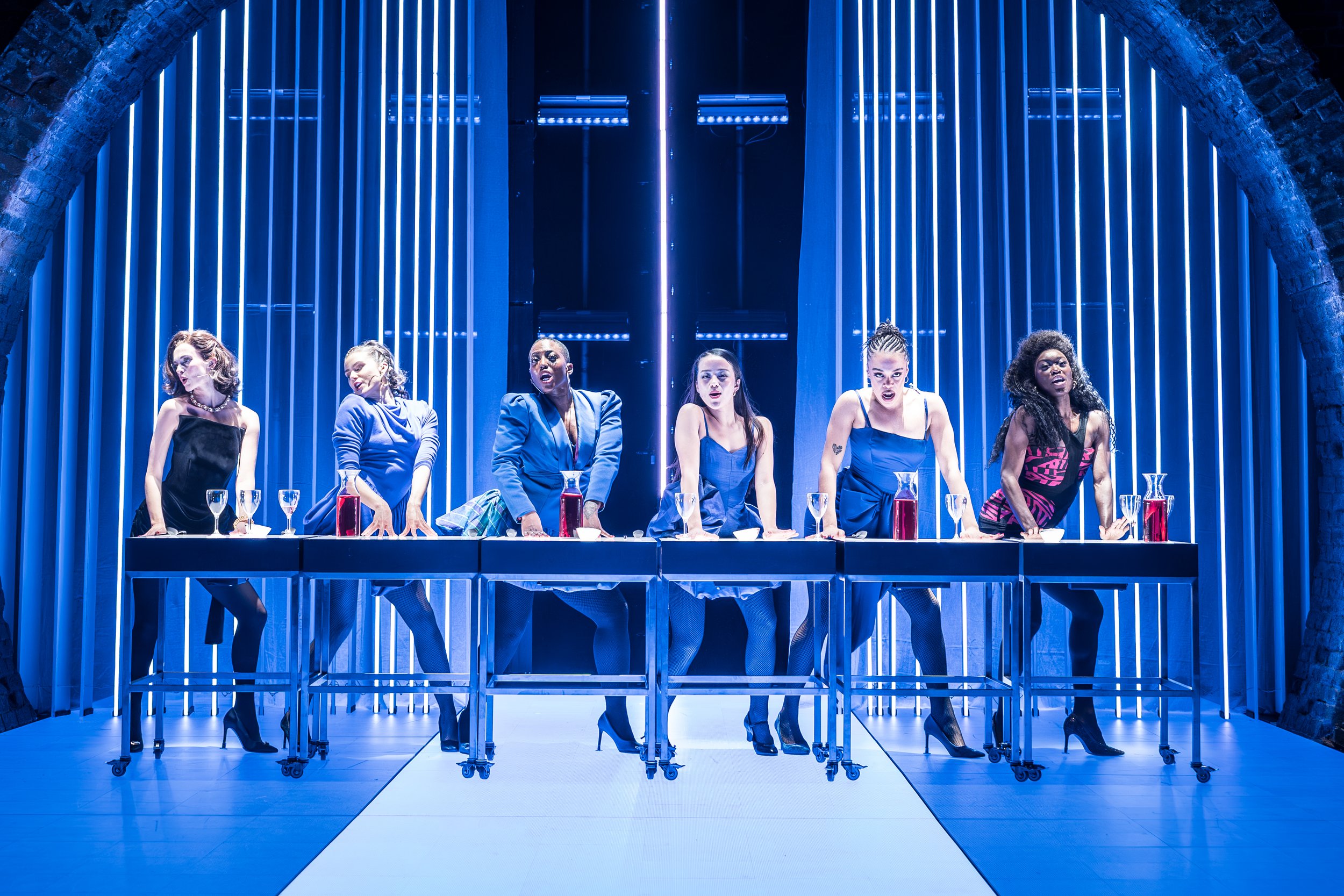
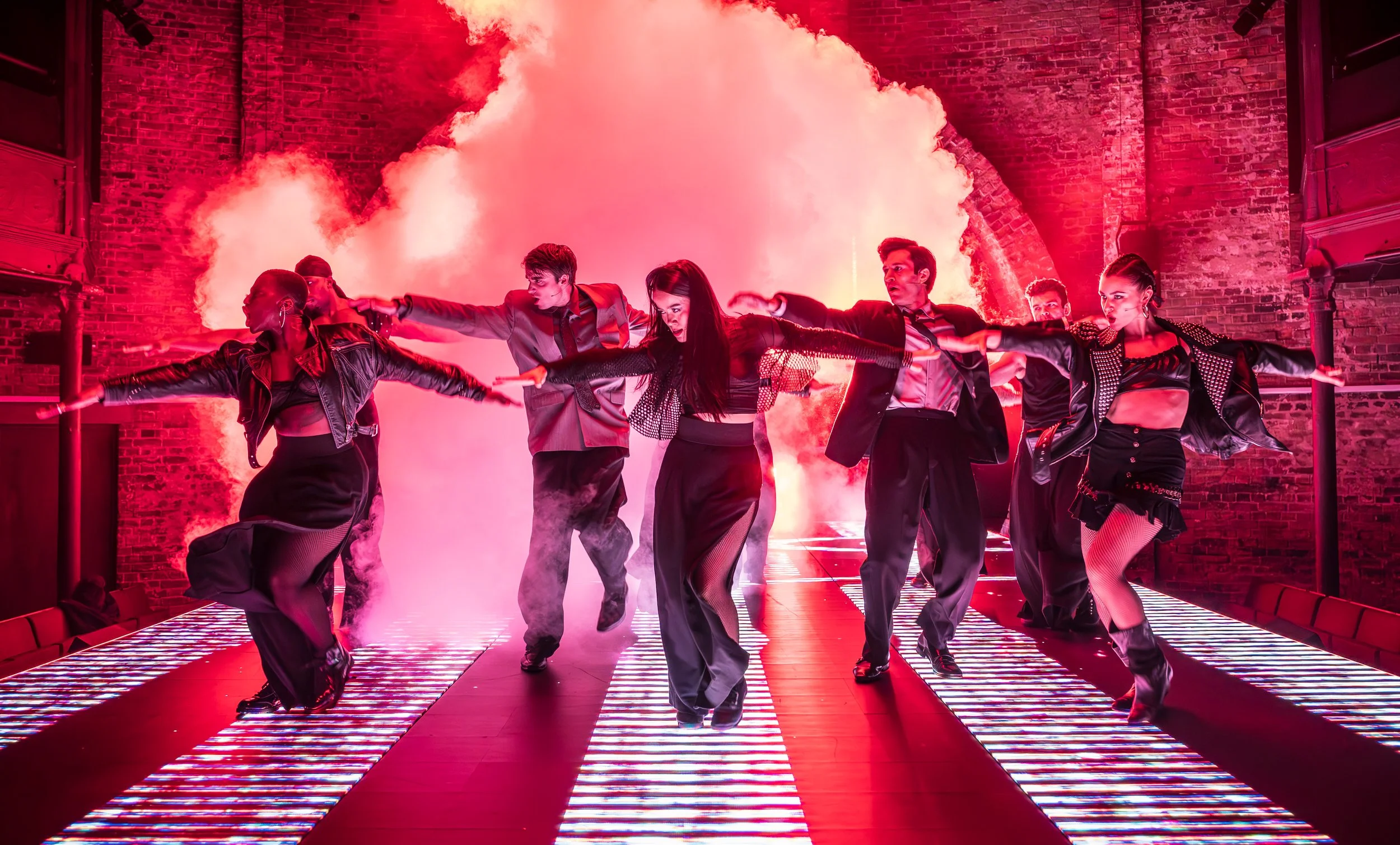
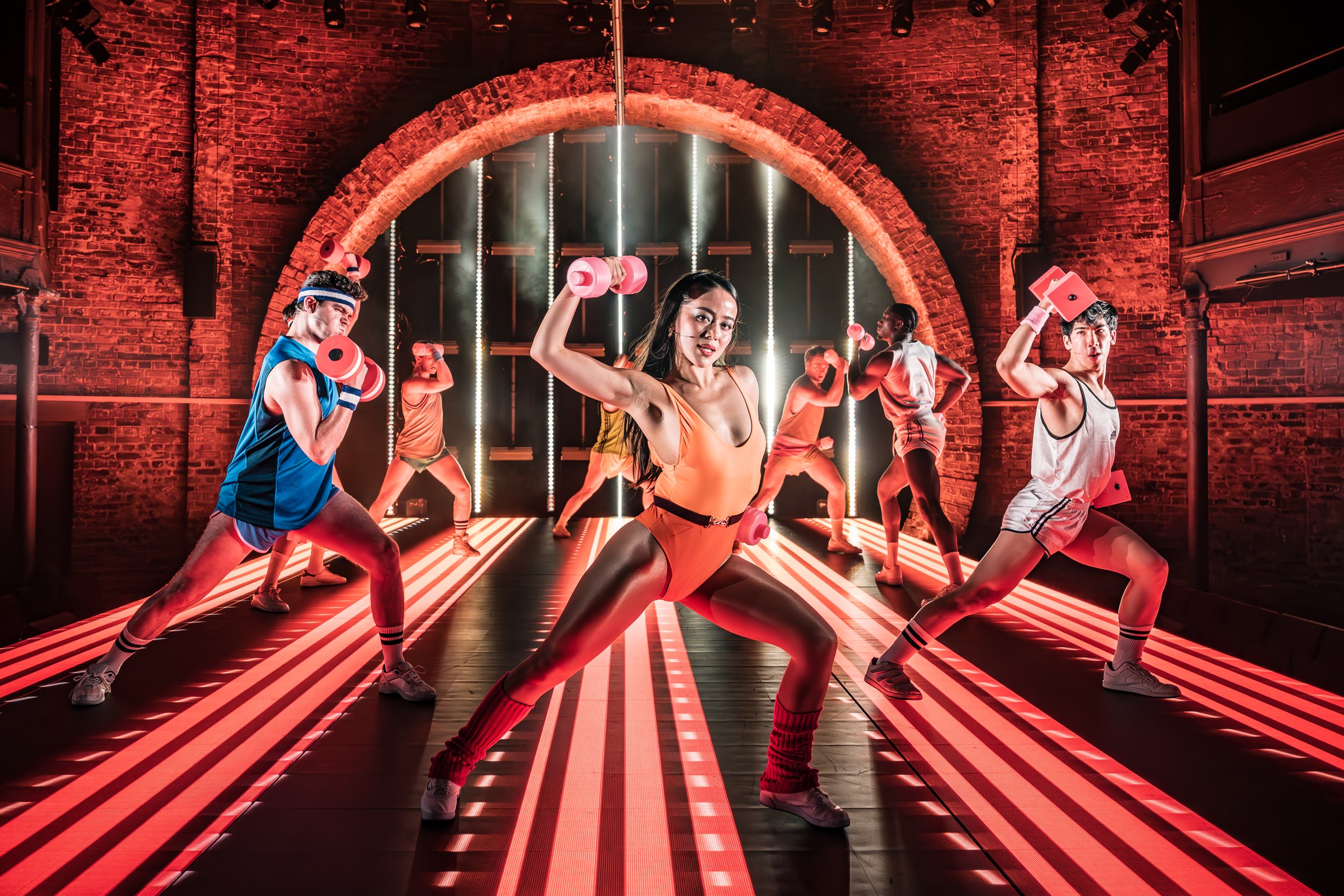
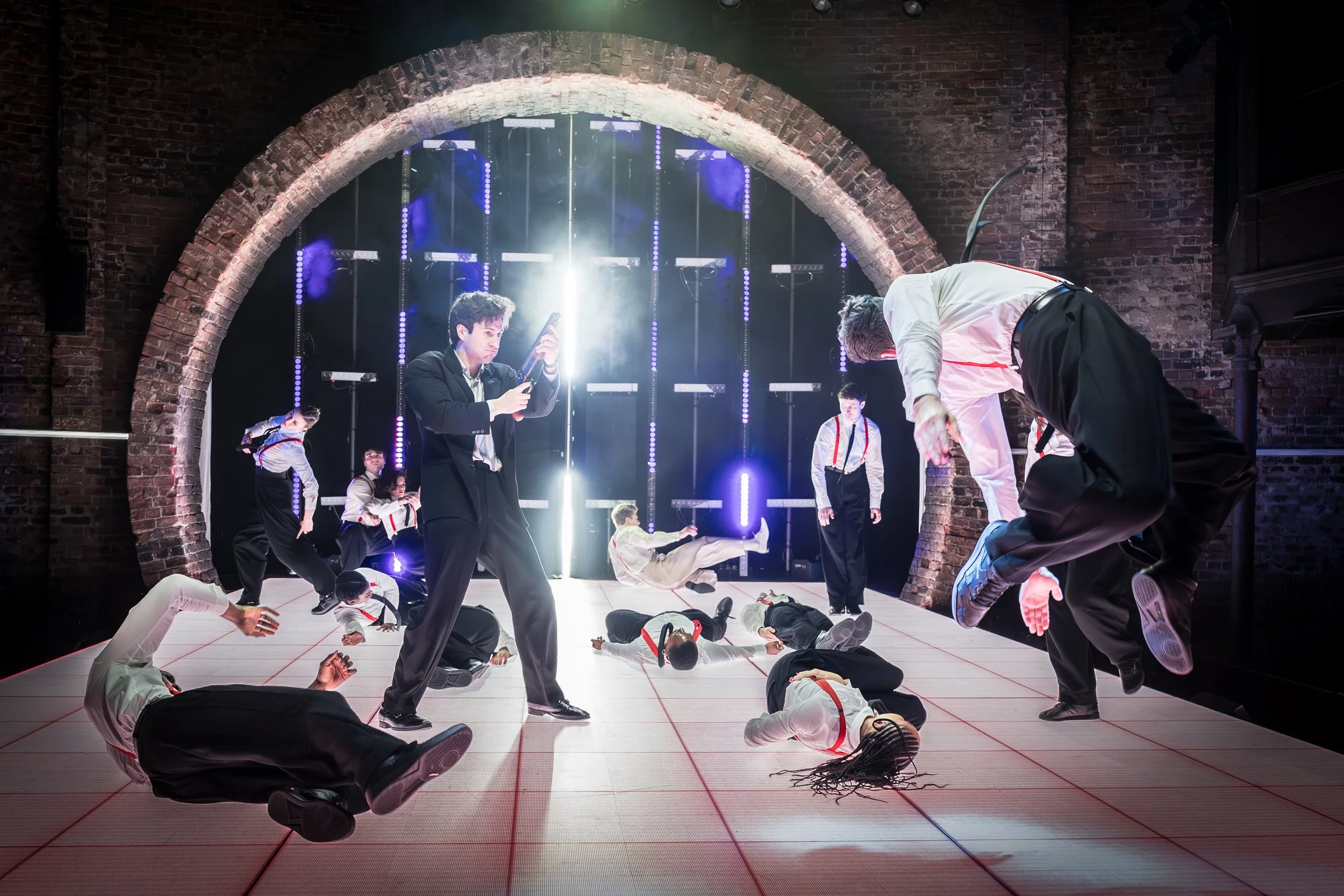
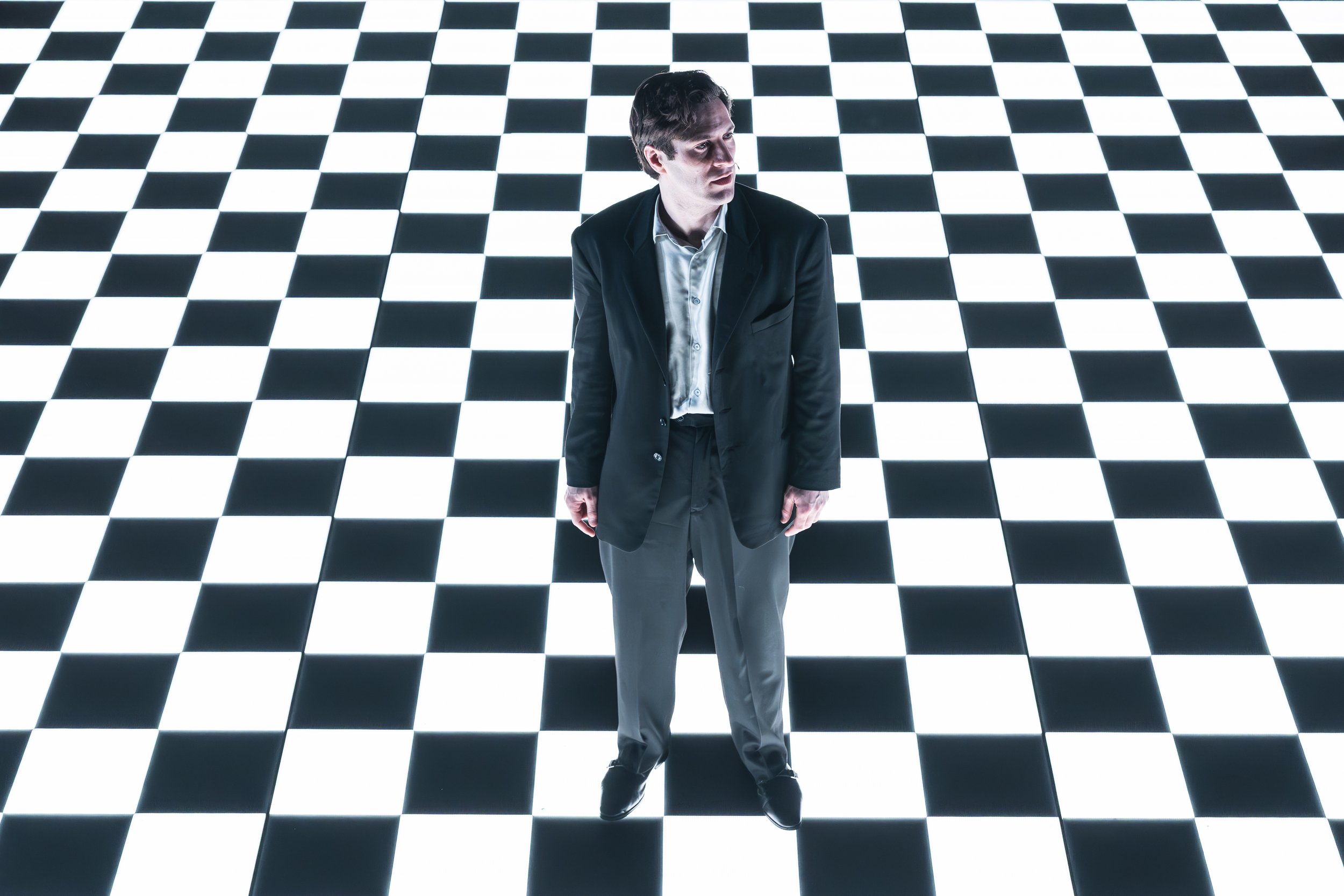
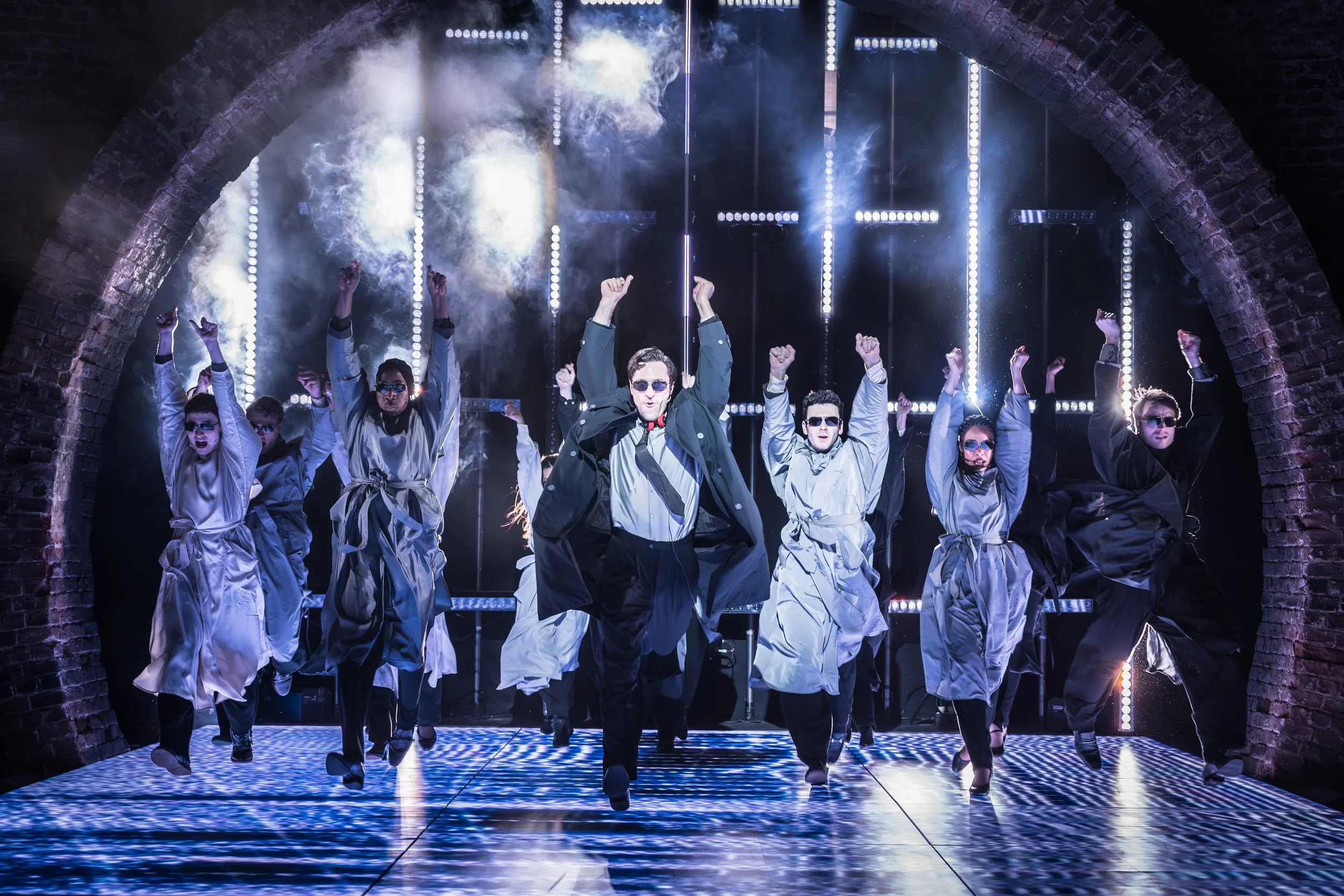
Embracing the cold, clinical and highly mediated world of American Psycho, the production used digital imagery to blur the boundaries between reality and fantasy. Rather than positioning video content behind the performers, the creative team effectively rotated the visual landscape 90 degrees, transforming the stage floor into the show’s main visual canvas. The LED floor defined the production’s constantly shifting environments, from corporate offices and upscale restaurants to swimming pools and nightclubs. At the centre of this was the iconic Tunnel nightclub, where the floor pulsed in response to Duncan Sheik’s electronic score, creating a space that felt glamorous, oppressive and artificial all at once. The floor remained a constant, even during quieter moments, maintaining a visual presence through gradients, textures and graphical elements.
The Challenge
The production required a display system capable of operating as a scenic element, lighting source and storytelling device. The LED floor needed to deliver high-resolution playback, support dynamic content and integrate seamlessly with choreography and performer movement, all within the constraints of a relatively intimate theatre environment. At the same time, the system had to maintain the reliability and consistency required for an eight-week theatre run.
The Technical Solution
Universal Pixels supplied ROE Visual Black Marble BM4 LED floor panels, powered by Brompton processing and driven by Disguise playback systems. The BM4 flooring represented an evolution for Universal Pixels and marked the company’s first deployment of this type of technology. The product was selected for its image quality, durability and suitability for performer interaction, enabling the floor to become an active visual surface throughout. Content was developed and controlled to respond dynamically to both narrative and movement, with the floor supporting everything from environmental transitions to interactive visual effects. The result was a display system that functioned as an integrated part of the narrative rather than a conventional display surface.
Delivery
Universal Pixels worked closely with FRAY Studio to integrate the LED flooring into the production. The result was a robust system that allowed the floor to become an integral part of the staging, supporting the show's changing environments throughout the performance.
The Result
The LED floor became one of the defining visual elements of the production, transforming the Almeida stage into a living, reactive environment that reflected Patrick Bateman's fractured psychological world. Rather than acting as a backdrop, the floor became an active part of the staging, supporting everything from location changes to choreography and performance.
Photo Credits - Marc Brenner